
Ten supply points for a city's street lighting network
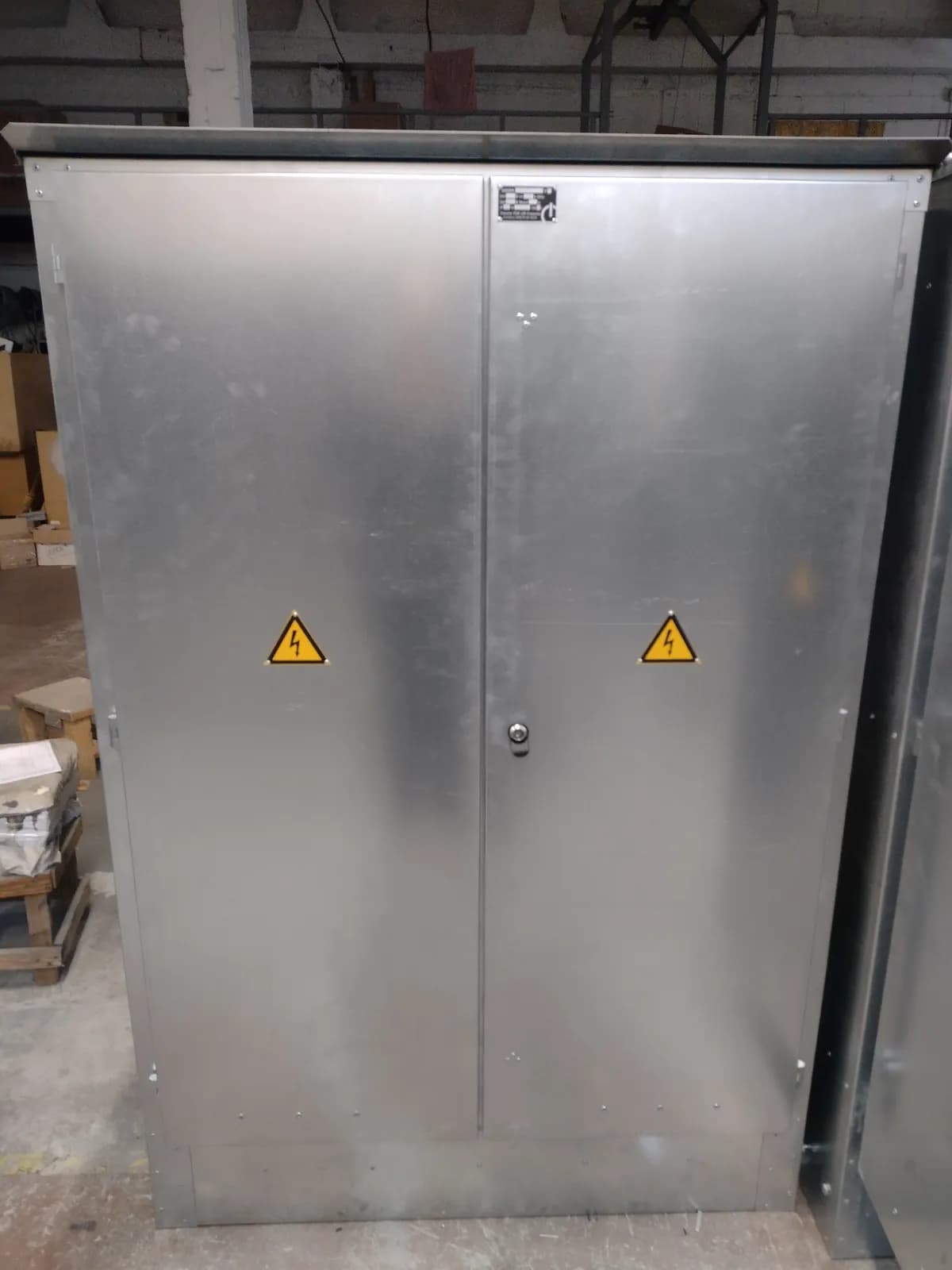
A city's lighting network is not a single object but dozens of supply points scattered across its districts. For a municipal lighting utility we built ten of those points: I-710 cabinets in outdoor IP54 design, a 100 A incomer and a visible break provided by a switch-disconnector. All ten are identical. Built at our own plant in Odesa, a 2024 order.
The task
Street lighting is not fed from one place. The circuits run out through the districts, and at every node of the network there has to be a point that takes in the supply, distributes it across the circuits, protects each of them and lets crews remove the voltage before working on the poles.
A city has many such nodes, and the main operational problem is organisational rather than electrical. When the points were assembled in different years, by different contractors and on different apparatus, every crew visit starts with working out what is actually inside this particular cabinet. Spares have to be held for every variant, the instructions do not match, and a new electrician learns the network one node at a time.
The requirement was therefore framed at network level rather than at product level: what was needed were identical points that stand outdoors all year, are serviced by a single procedure and come with the same set of documents.
The solution
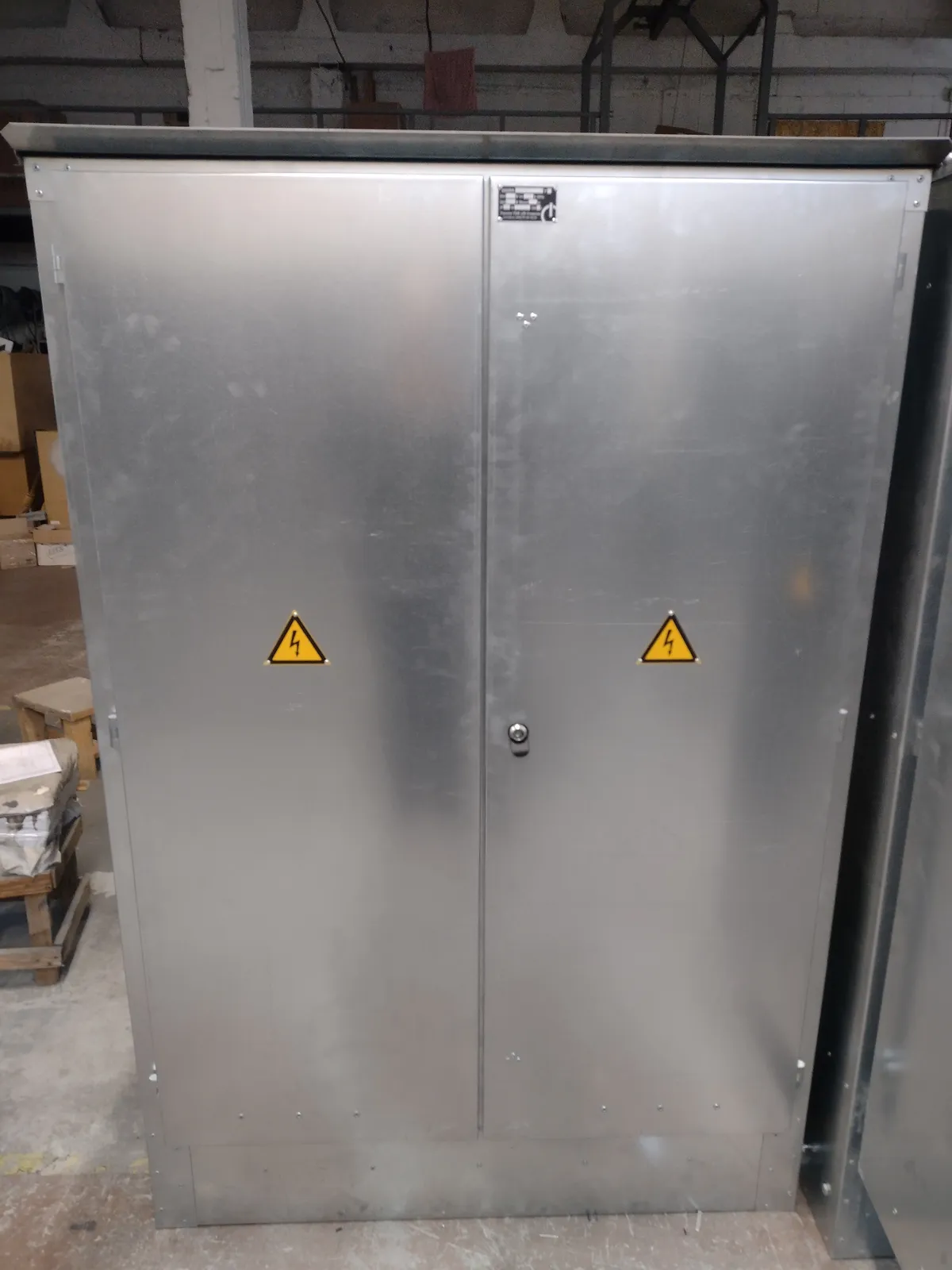
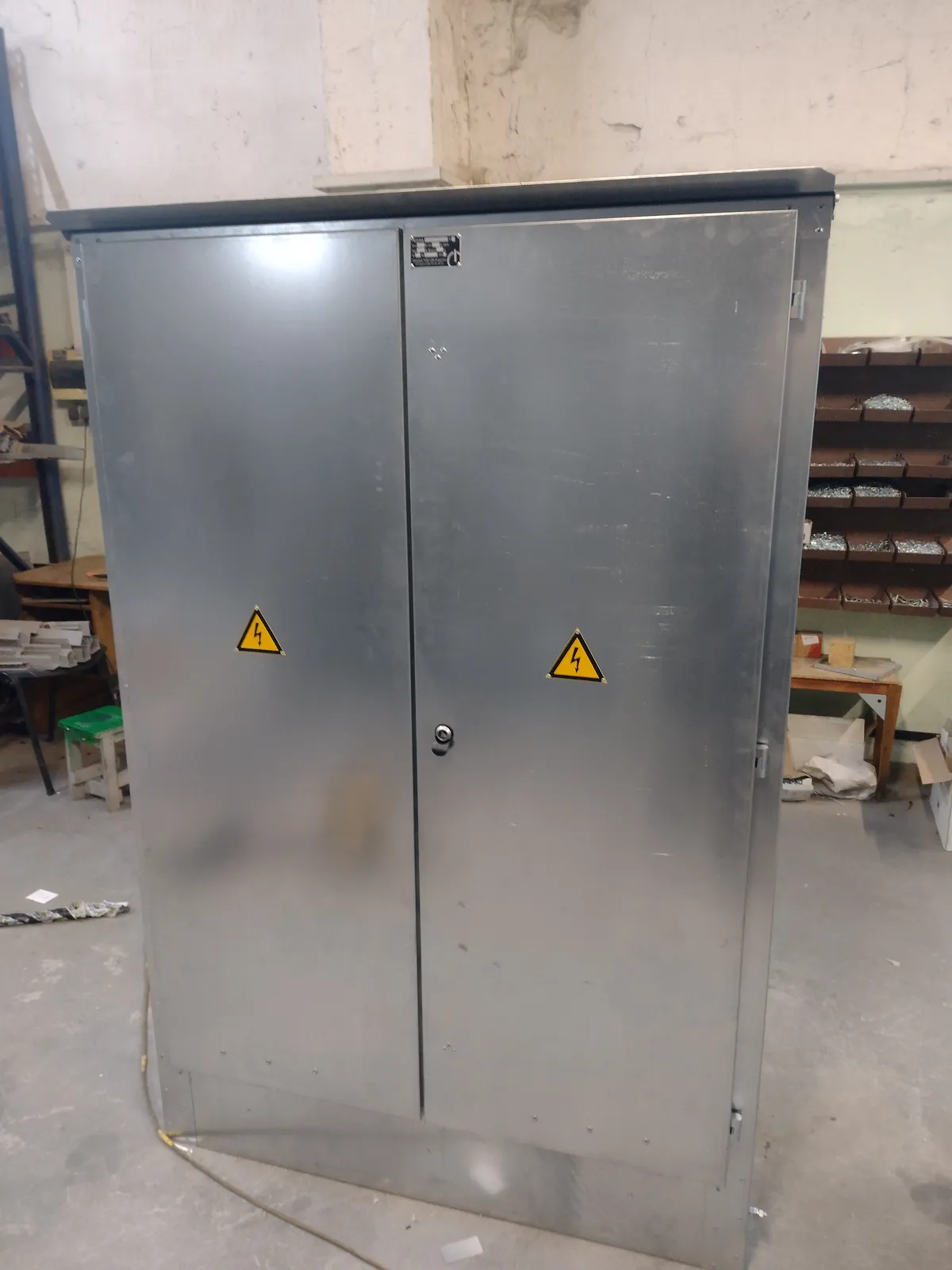
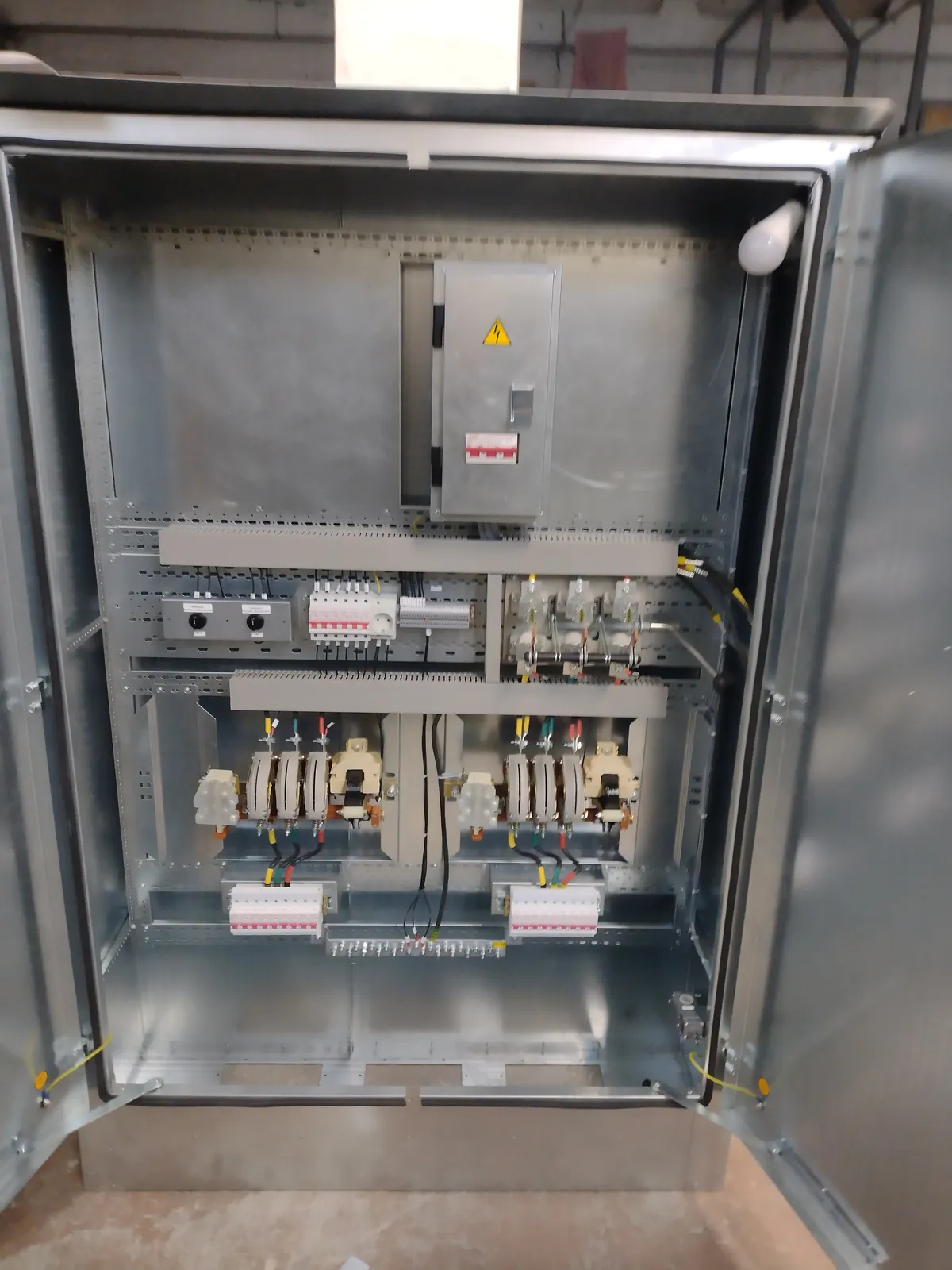
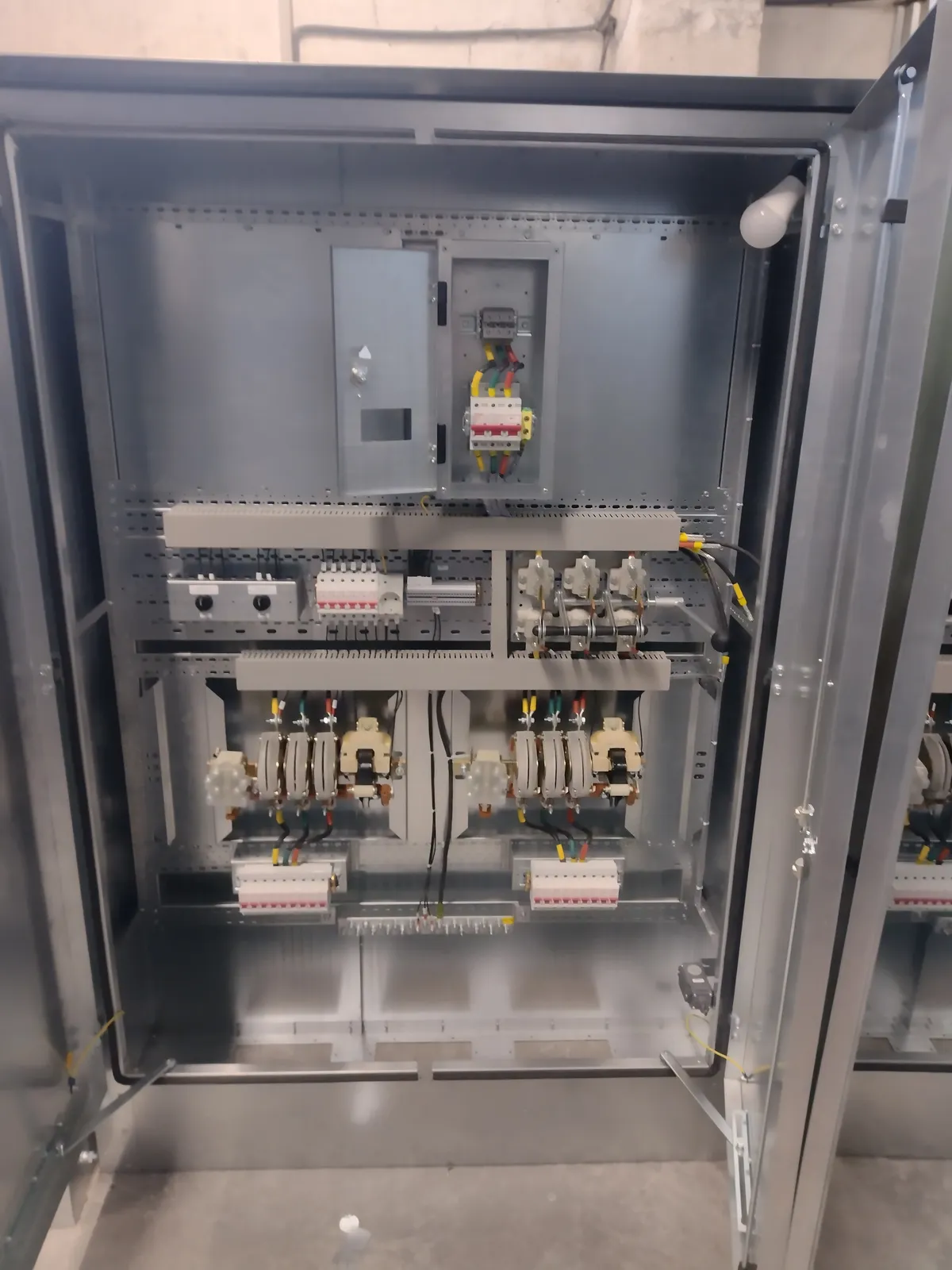
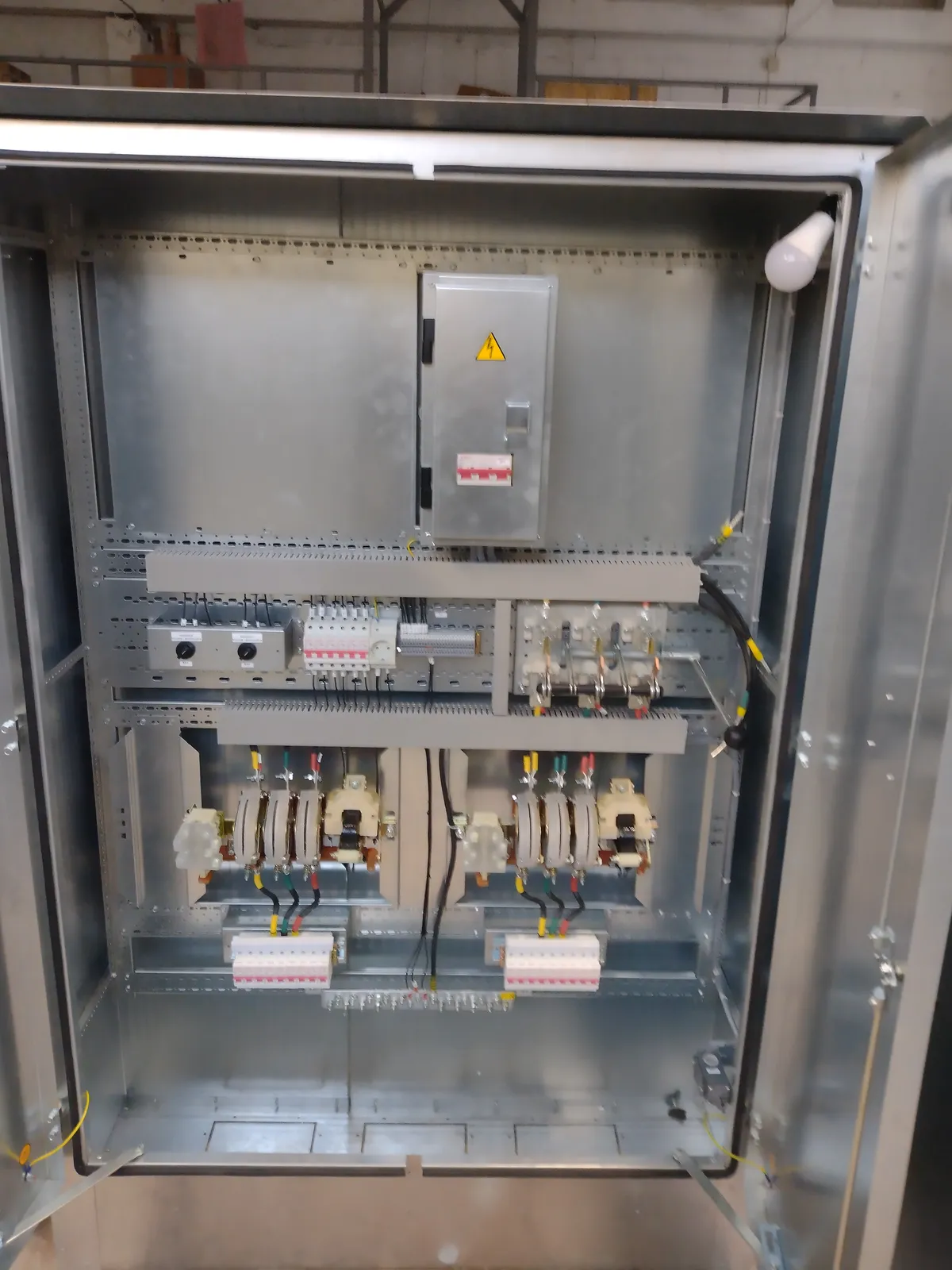
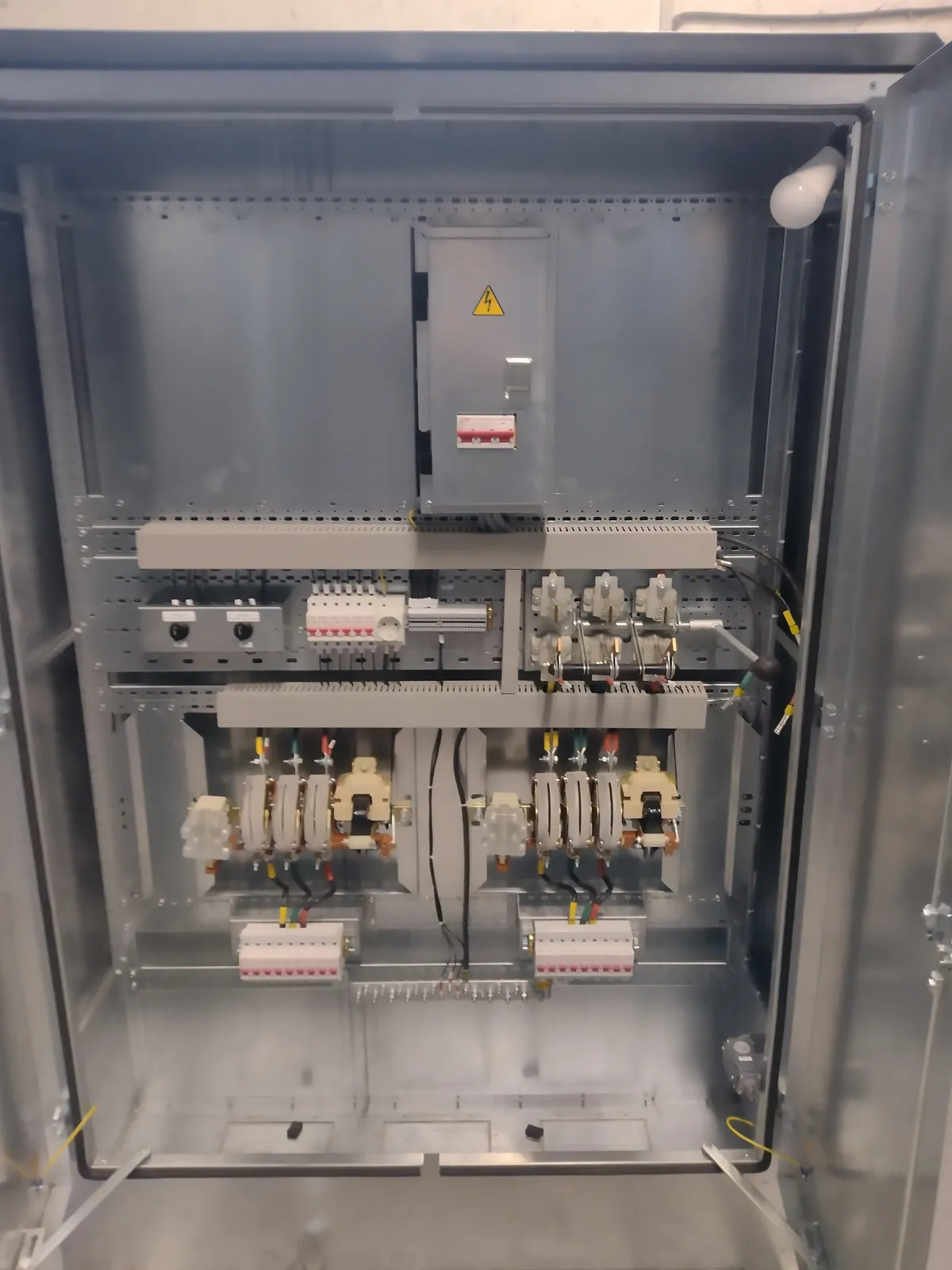
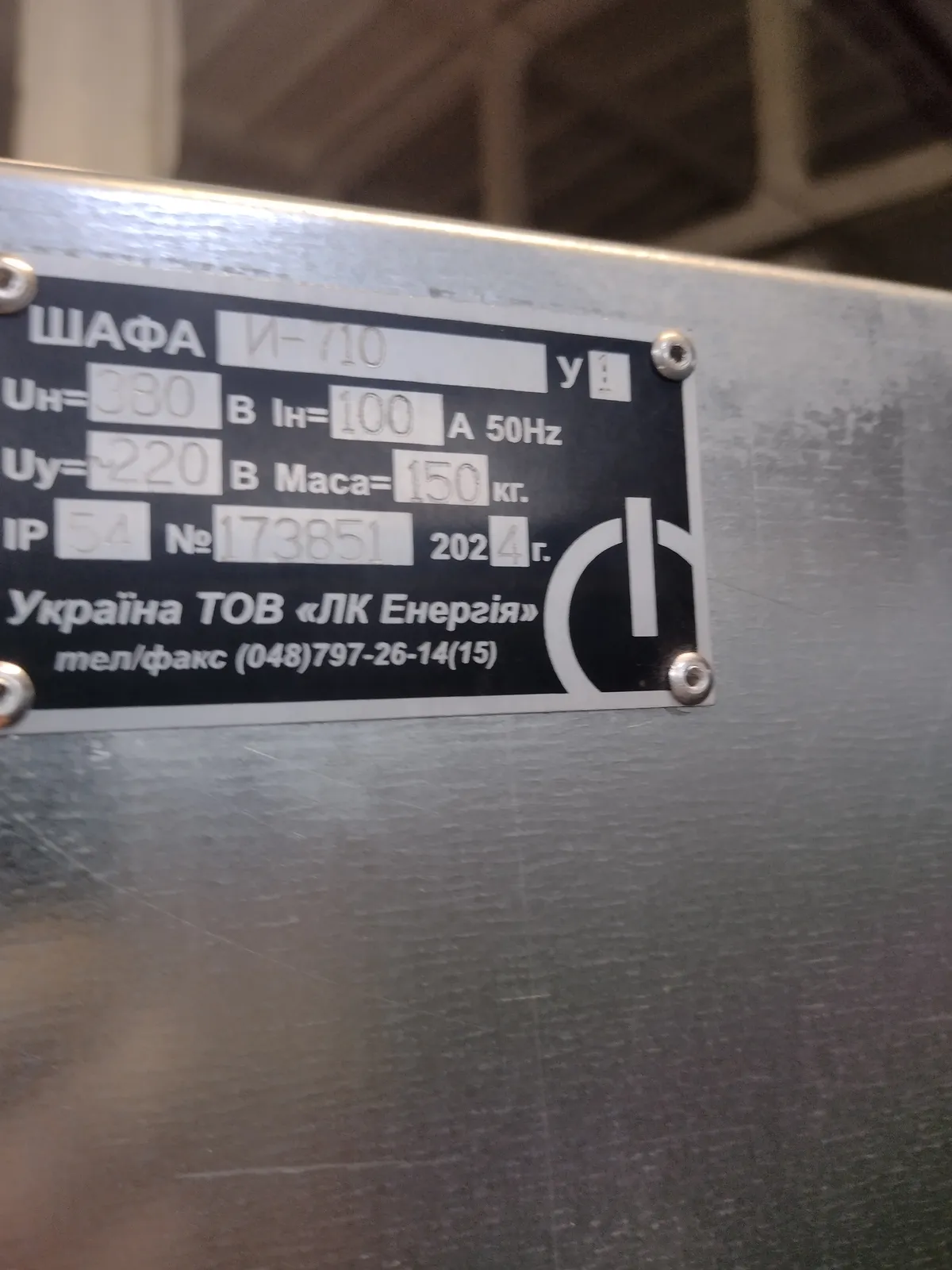
We built ten I-710 cabinets — one point per network node. Each cabinet has its own factory passport and serial number (173849–173858).
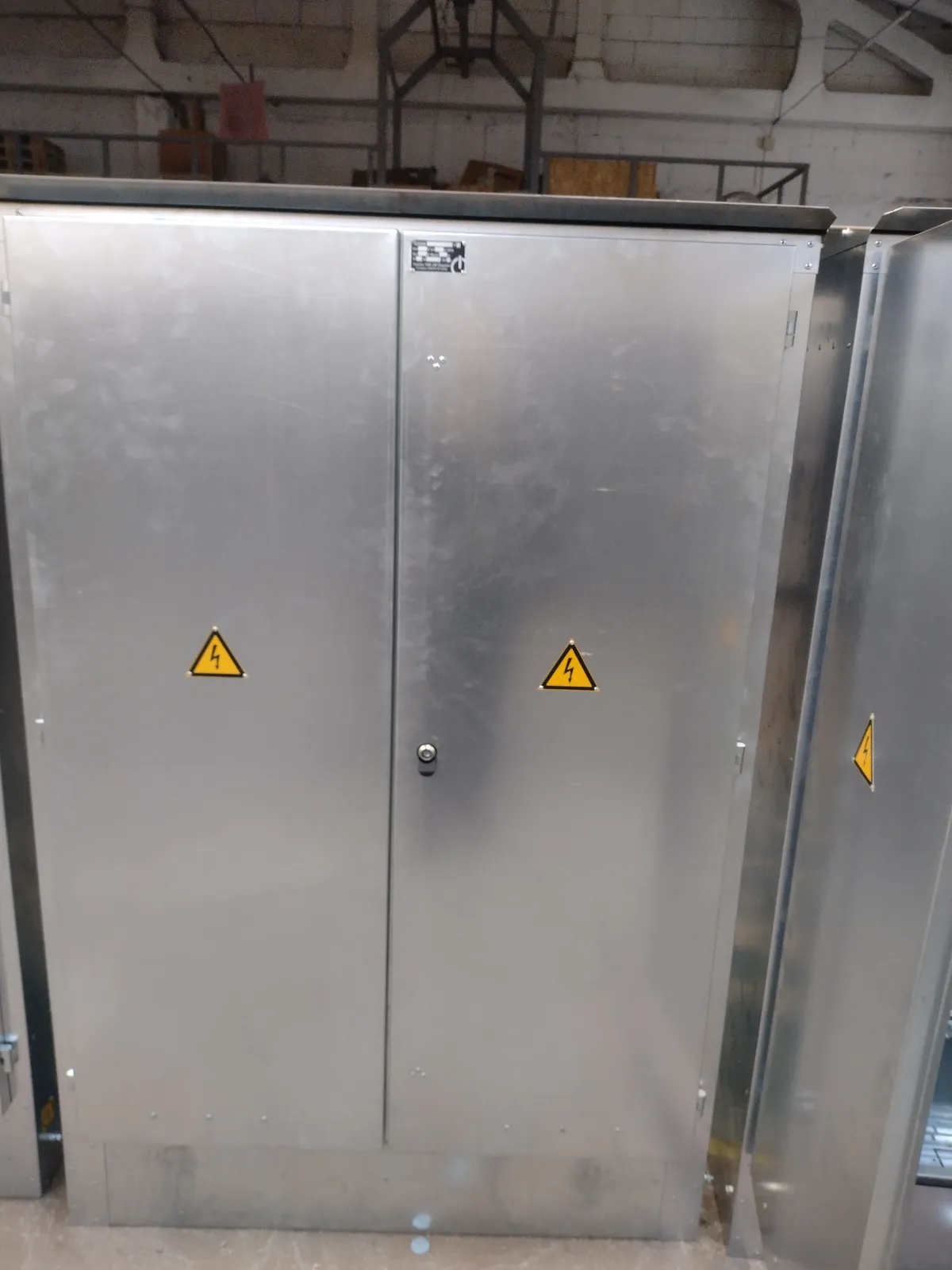
- Outdoor design. Degree of protection IP54: dust and splashing water do not get inside. Climatic design U3 with a working range of −40 to +40 °C — the point is intended for year-round service with no heated building.
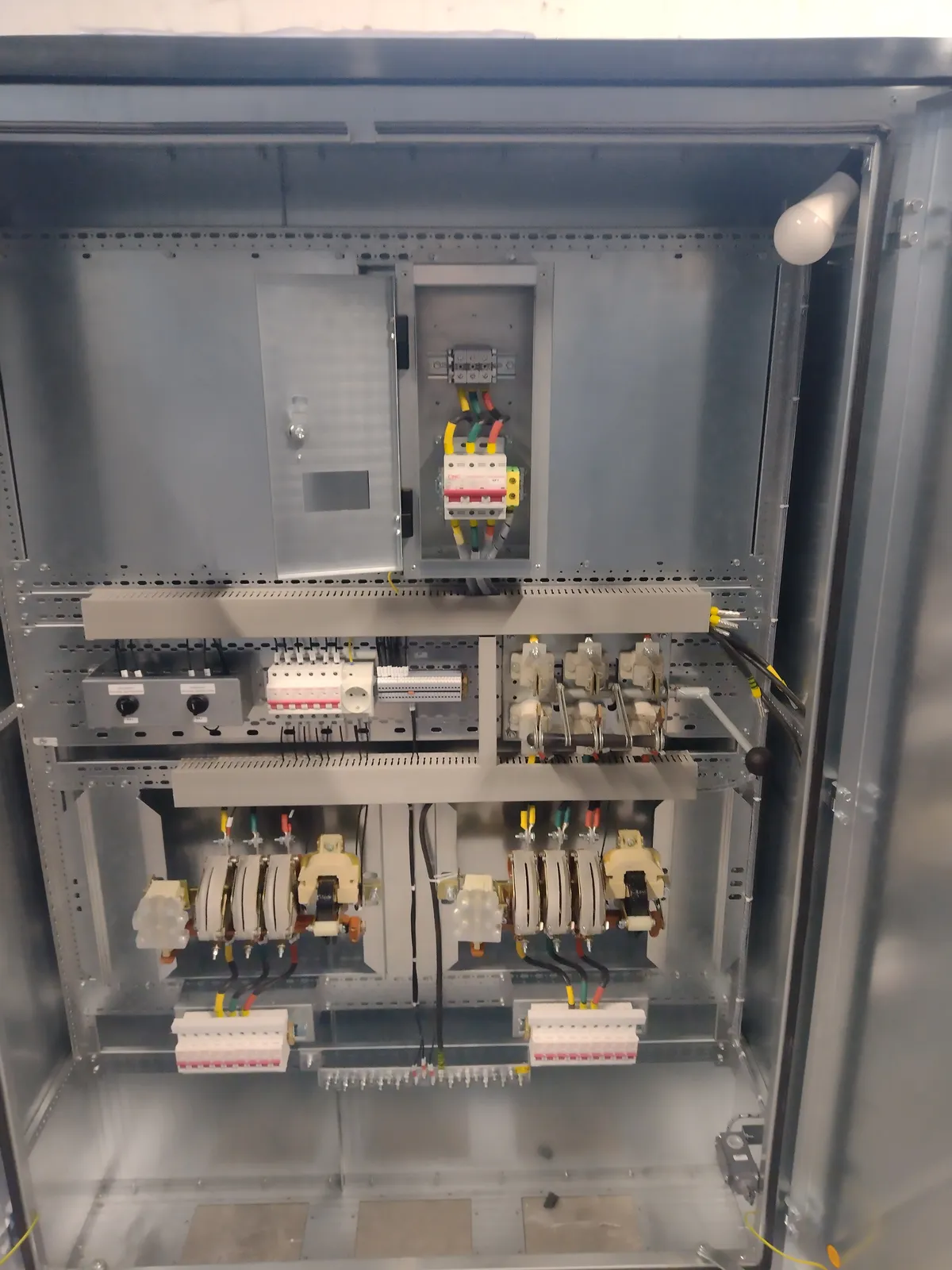
- 100 A incomer. The main circuits are rated for 100 A at 380 V. Incomer protection is a YCB9-125 circuit breaker rated 100 A with a breaking capacity of 10 kA, curve C.
- A visible break. The cabinet contains an RB-2 switch-disconnector rated 250 A. This is what the crew opens the point for before working on a circuit: the disconnector gives a visible break, rather than "the indicator says it is off".
- Control and metering circuits at 220 V. Separate miniature circuit breakers: one at 63 A, one at 16 A and five at 6 A. Every auxiliary circuit is protected individually, so a fault in one of them does not take the whole point out.
- Dimensions and weight. 1860 × 1200 × 400 mm, weighing no more than 150 kg. Double doors give access to all the internals from the front, without removing apparatus.
Figures (from the passports)
| Number of cabinets | 10 |
| Type | I-710, 0.4 kV assembly, street lighting control cabinet |
| Rated voltage, main circuits | 380 V, 50 Hz |
| Rated current, main circuits | 100 A |
| Control circuit voltage | 220 V AC |
| Incomer breaker | YCB9-125, 3P, 100 A, 10 kA, curve C |
| Switch-disconnector | RB-2, 250 A |
| Auxiliary circuit breakers | 63 A (1 off) · 16 A (1 off) · 6 A (5 off) |
| Degree of protection | IP54 |
| Dimensions (H×W×D) | 1860 × 1200 × 400 mm |
| Weight, max | 150 kg |
| Climatic design | U3, −40 to +40 °C |
| Technical requirements | GOST 22789-94 |
| Serial numbers | 173849–173858 |
The series product card: I-710 street lighting control cabinets. A related case: I-710 lighting control cabinets — a series batch of ten. See also: Street lighting telemetry.
Photo report from production
We will build to your diagram
Do you need supply points for your community's lighting network? Send us a single-line diagram or a completed questionnaire and our engineer will price the cabinet's contents, the ratings and the lead time. Preliminary quotation within 24 working hours.
Need a similar project?
We’ll estimate yours
Send us your specification or describe the task — we will propose a solution and estimate the time and cost. Preliminary reply within 24 hours.
+380 67 104 94 91