
Blog — an engineer's perspective
Practical materials from LK Energy engineers: switchgear equipment, relay protection and automation schemes, substations, documentation and choosing a contractor.
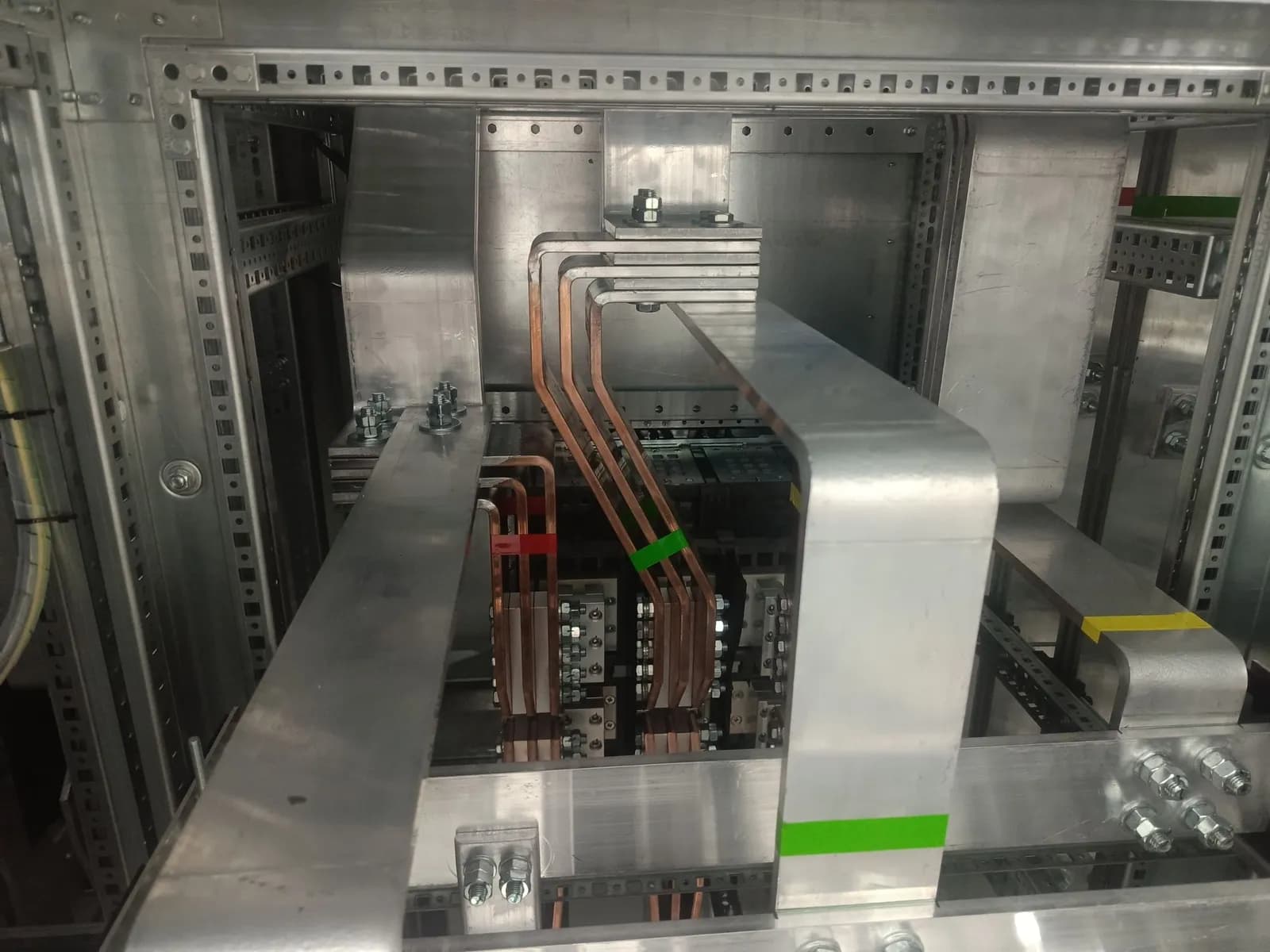
Bolted Connections for Current-Carrying Busbars: Why Reliability Depends on Contact Pressure, Not Bolt Grade
Why an 8.8 bolt isn't always better than a 5.8, and how tightening torque and a Belleville washer save busbar contacts from overheating. An engineering breakdown from the shop floor
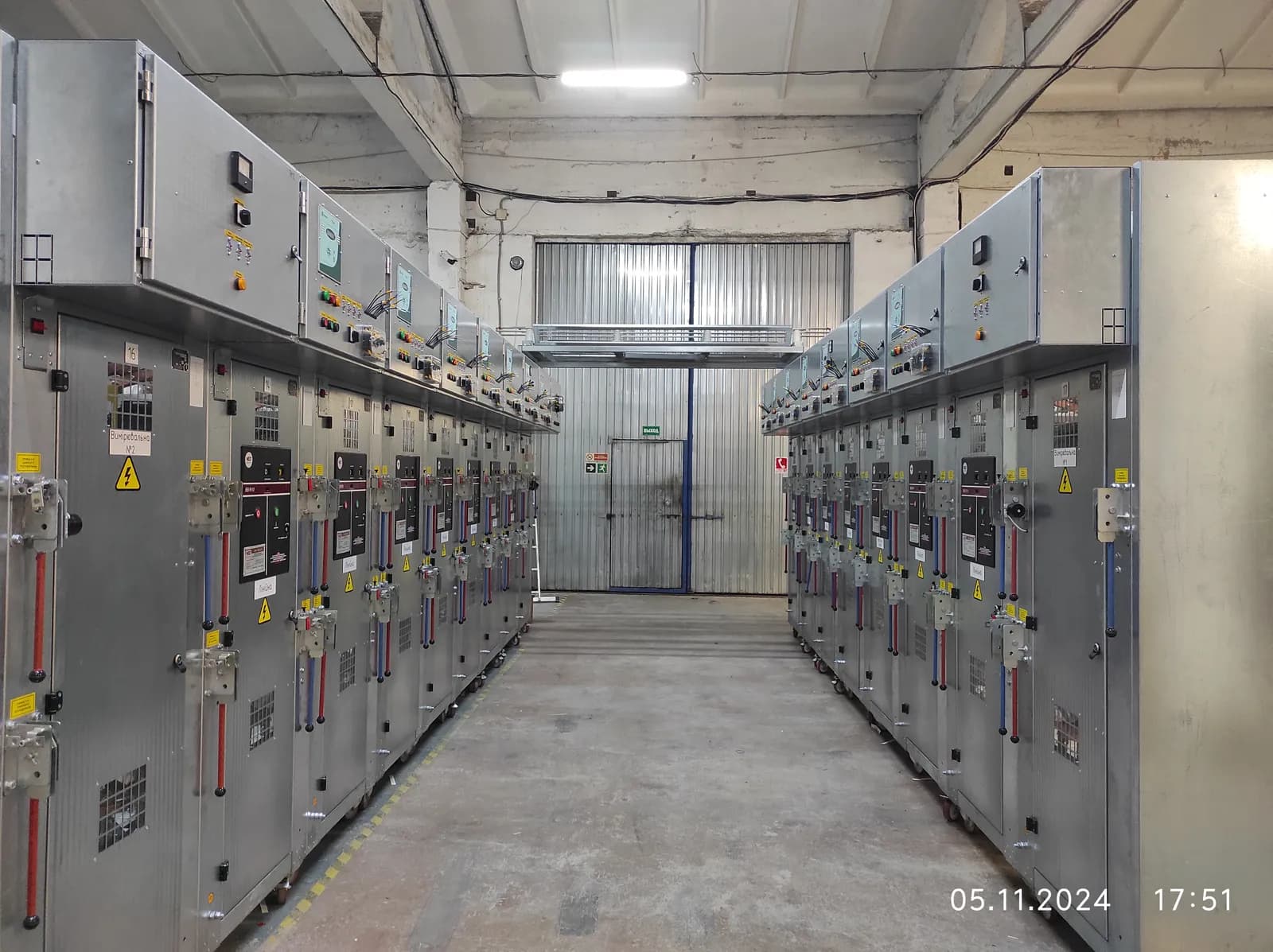
RP, RTP, TP — What's the Difference and Which Solution to Choose
RP, RTP, and TP/KTP: definitions, a comparison table, and selection logic — transformation, standard switchgear cubicles, application scope. A reference guide for design engineers.
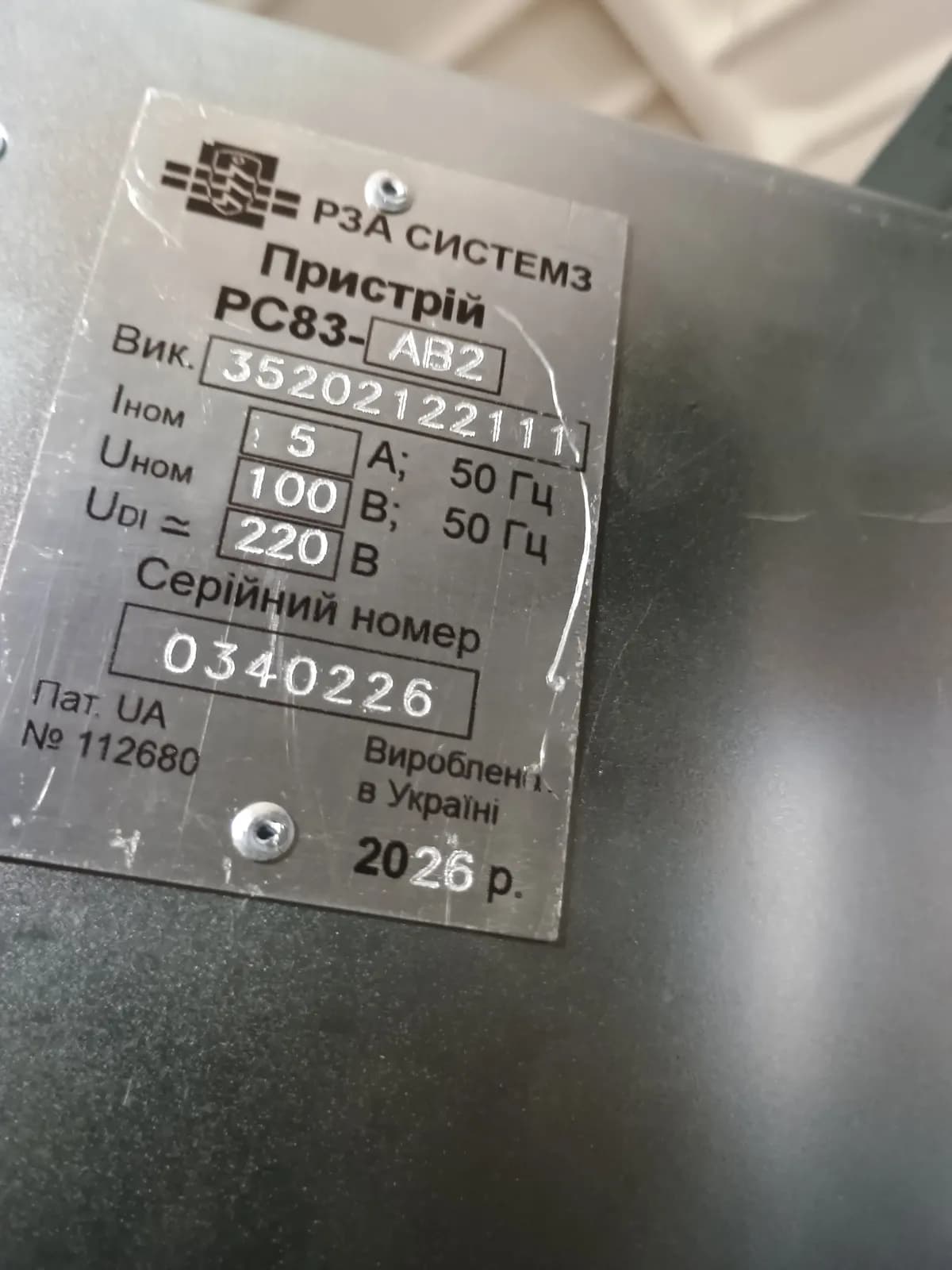
How to Choose a Protection and Automation Scheme for a 10 kV Switchgear Cubicle: Protection Functions and Terminals
Protection functions for 10 kV cubicles — incomer, feeder, bus coupler, VT, auxiliary transformer: overcurrent protection, instantaneous cutoff, earth-fault protection, automatic transfer switching — and RS83 series terminals in LK Energy's standard solutions.
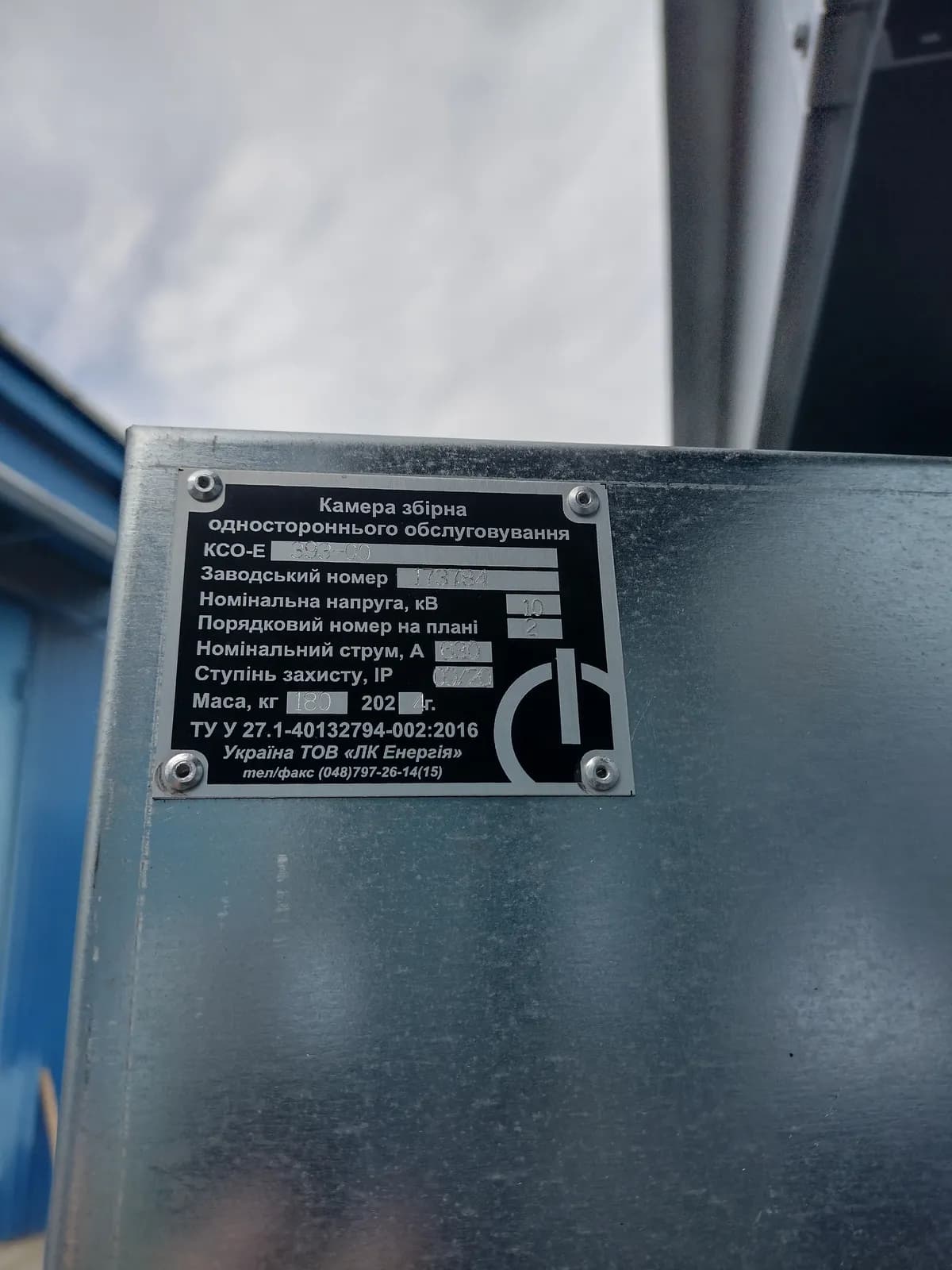
How to Fill Out the Questionnaire for a KTP or KSO: A Step-by-Step Guide
A step-by-step guide to the questionnaire for a KTP or KSO: network parameters, cubicle composition, switching devices and protection, metering, design execution, and common mistakes.
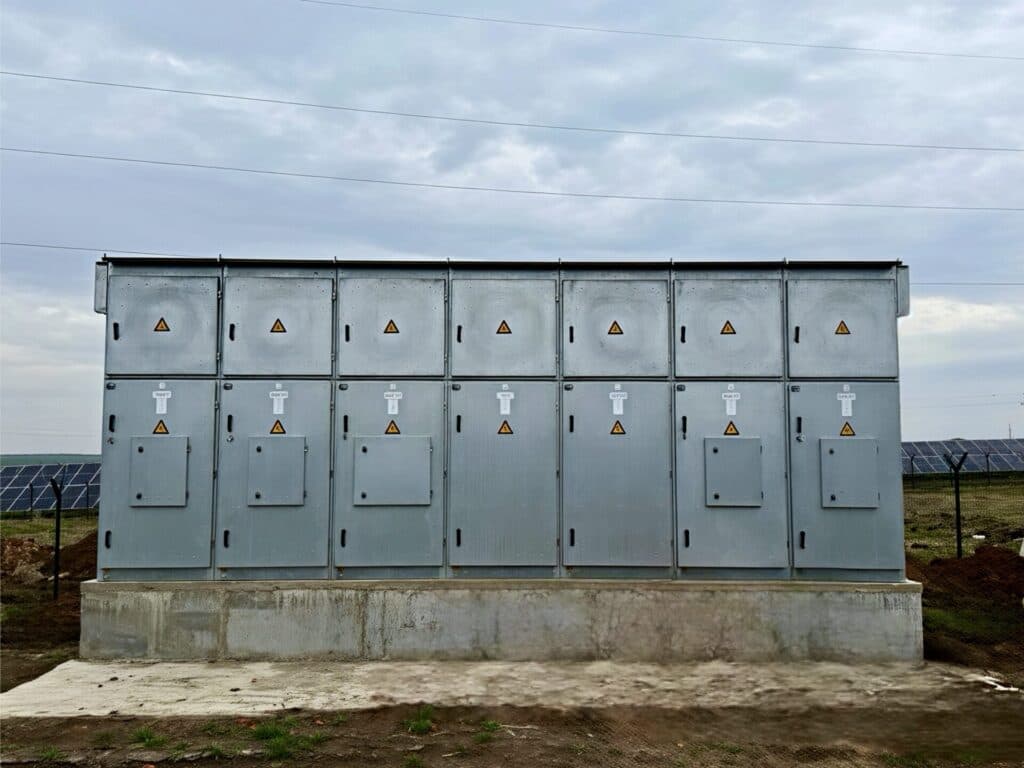
A Cheap Solar Power Plant Bid: Where the Contractor Cuts the Budget — and Why the Plant Underdelivers Power at Peak for Years
Where a contractor cuts the budget on a solar power plant and why the plant underdelivers power at peak. An 11-point checklist for vetting a project before signing. Experience from LK Energy service, Odesa.
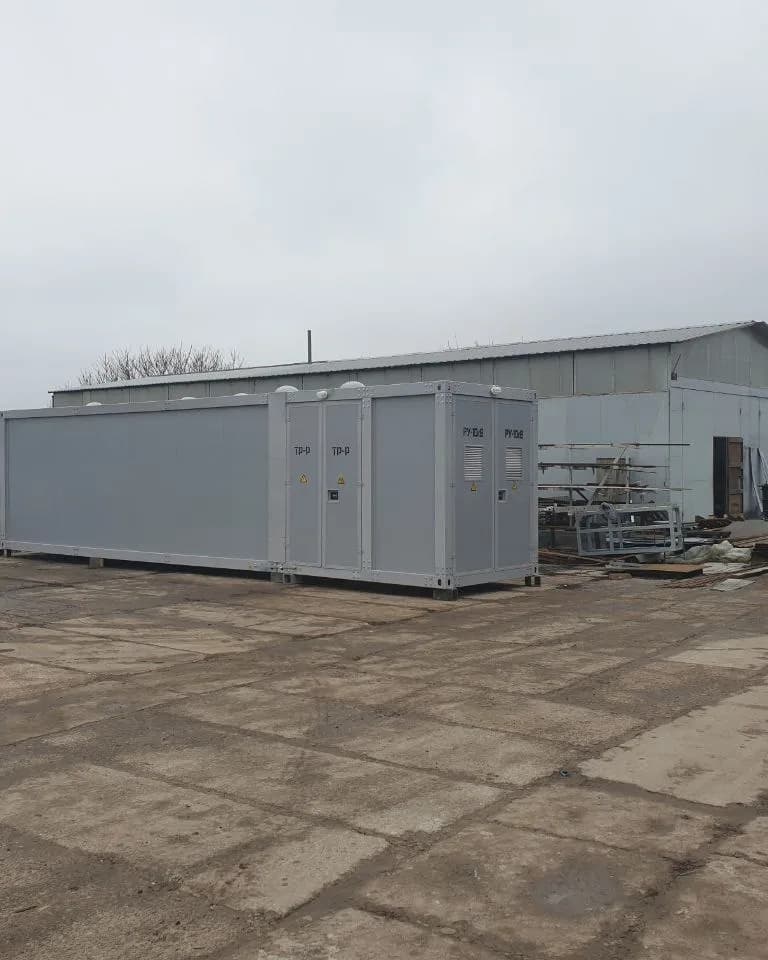
Industrial solar power plant project: what's included and which documents you need
What goes into an industrial solar plant project, which sections it includes and which documents and permits you need. Engineering-grade, in plain language.
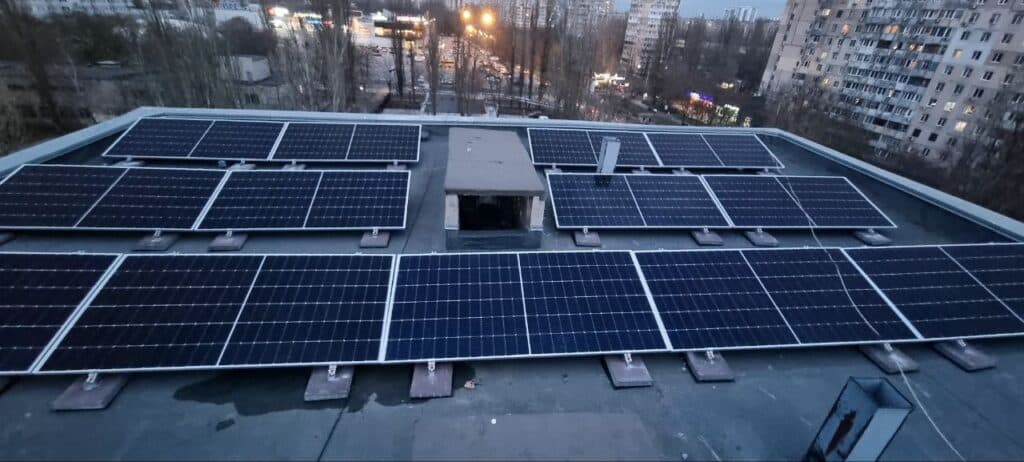
Industrial solar plant for self-consumption: why it's sized to your load profile
Why an industrial solar plant is sized to your load profile, what self-consumption delivers and when storage is needed. Engineering-based, no promises.
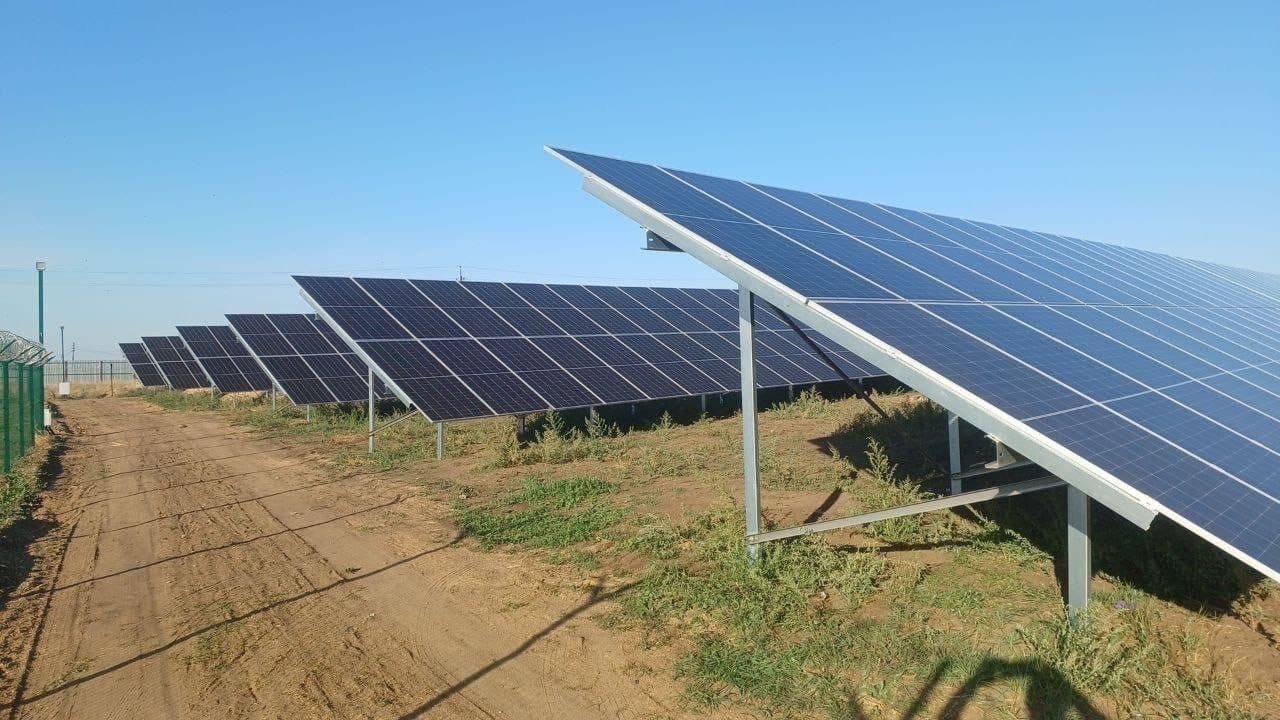
Why a solar field exceeds the grid injection point: sizing storage on a 4.95 MW plant
On a 4.95 MW industrial solar plant the field was built to 6.48 MW — 31% above the grid injection point. Here is why that is done deliberately, and how storage is sized for it.
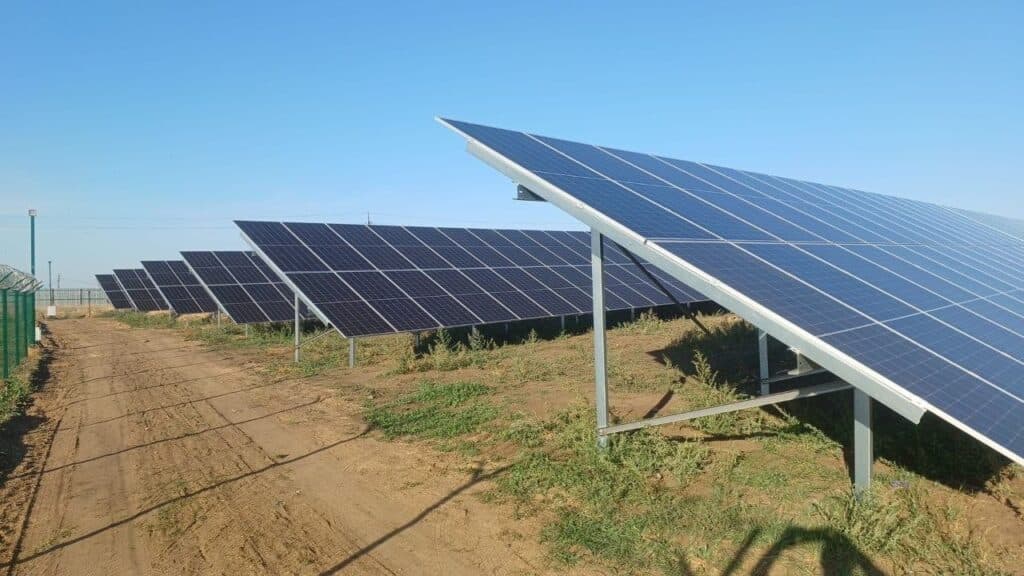
Solar Power Plant Design: What It Actually Looks Like (with PDF Examples)
What a solar plant design set looks like: contents of the set, the single-line diagram, sample sheets. Real LK typical solutions in PDF — free to download.
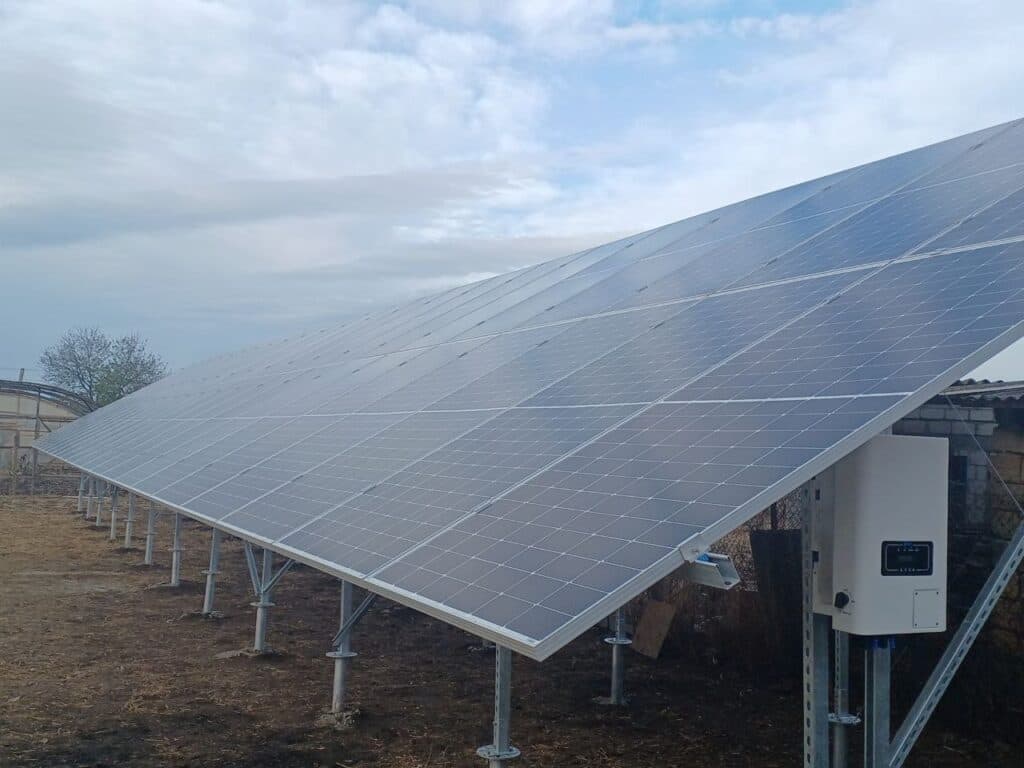
What Is a Solar Plant (SES): How a Solar Power Plant Works, in Plain Terms
SES stands for solar power plant. In plain terms: what it consists of, how it works, how grid-tie differs from hybrid, and what output depends on.
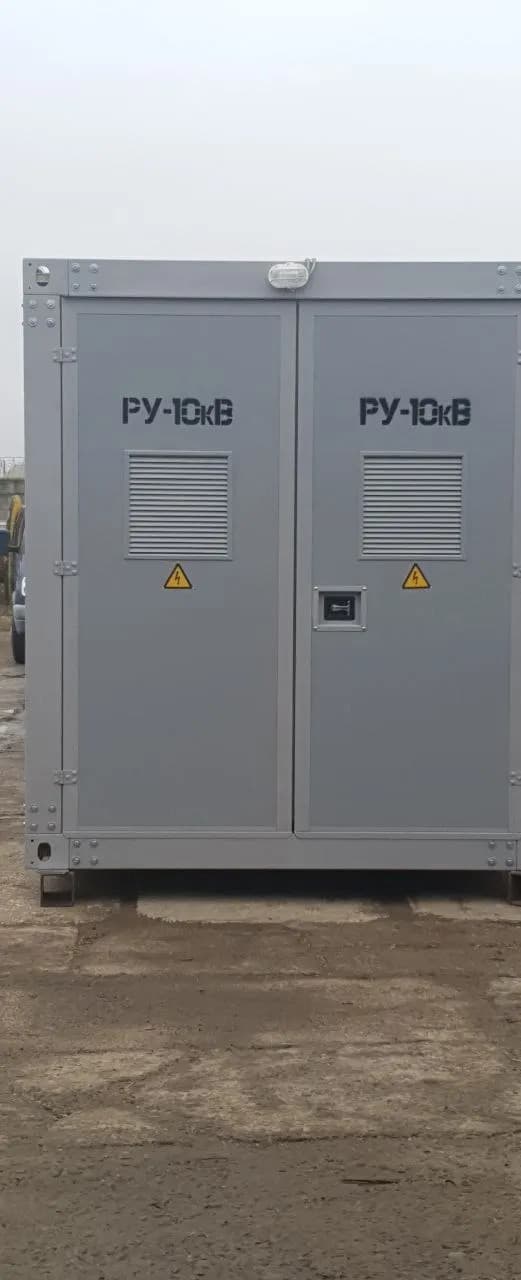
Grid Connection for a Solar Plant: Technical Conditions, Steps, Documents
How to connect a solar plant to the grid: when technical conditions are needed and when not, which documents to file, statutory terms and the connection fee.
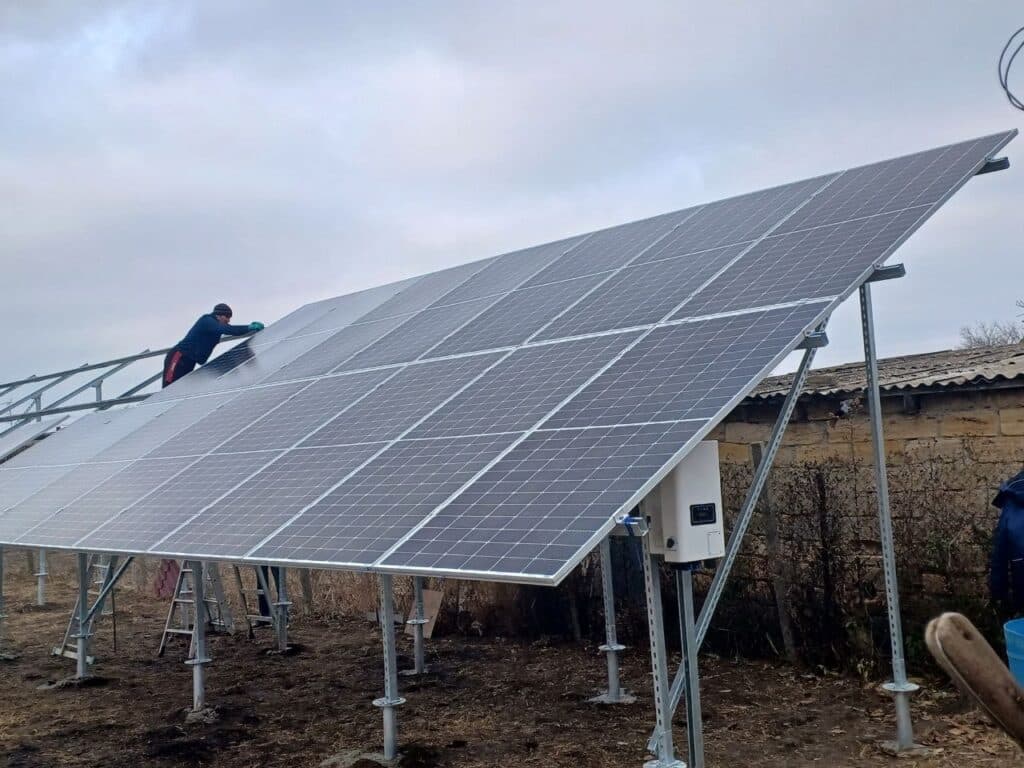
Turnkey solar plant construction: stages and timelines
What turnkey solar plant construction includes: five stages from technical conditions and design to commissioning and putting the plant into operation. We explain what the timeline and the cost of the plant depend on.
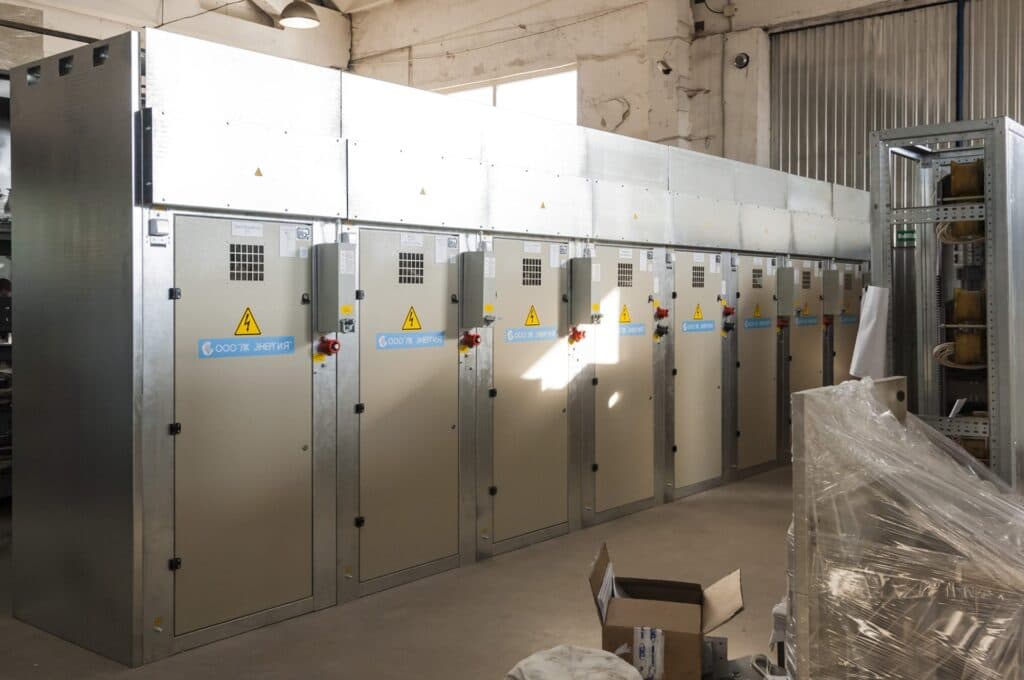
Switchboard equipment: types and classification
An overview guide to switchboard equipment 0.4–35 kV: how KSO differs from KRU, when a KTP is needed and when ShchO-90 is enough, and how to choose a product by voltage, current and purpose.
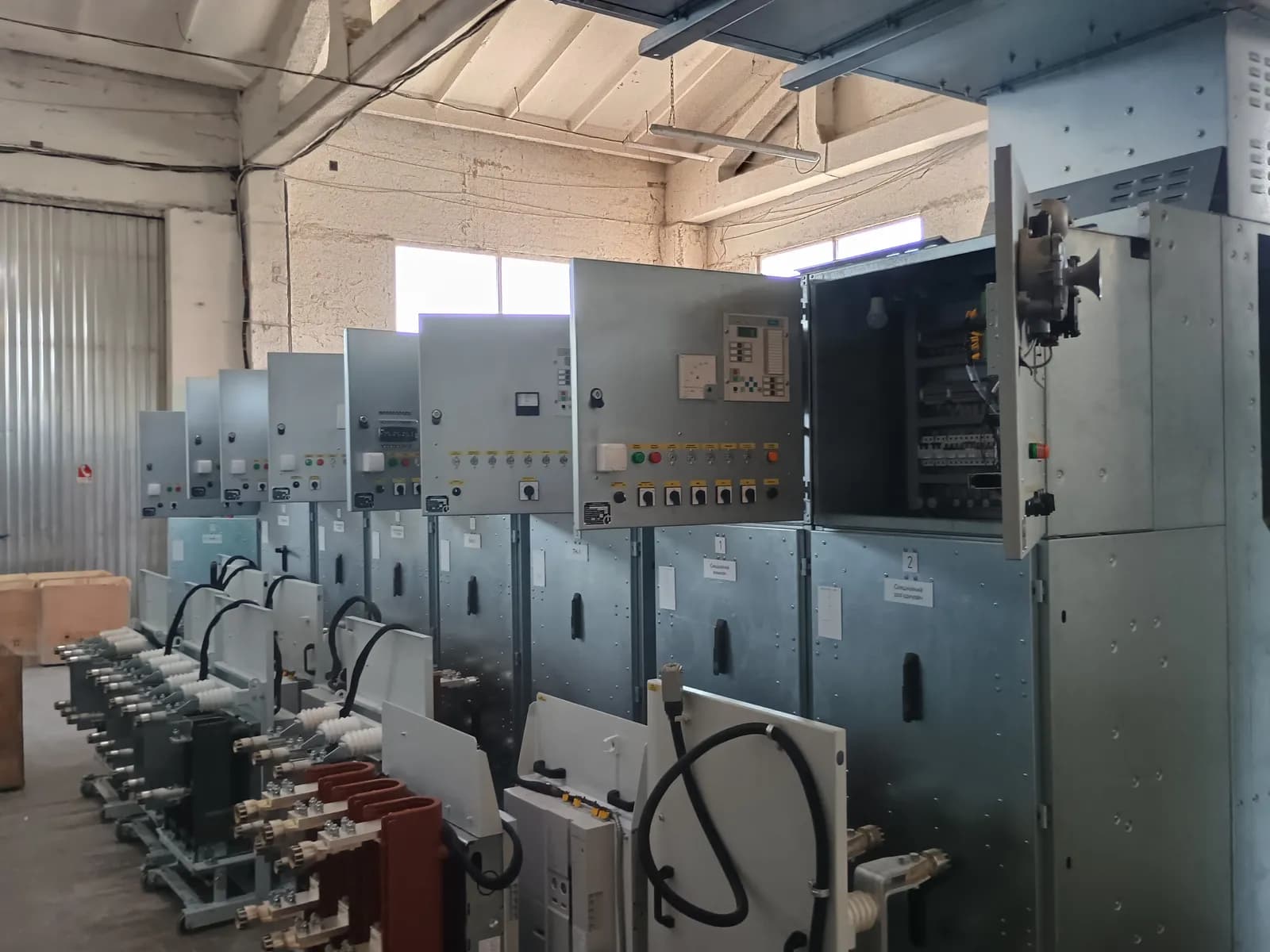
The KSO cubicle: design and how it differs from KRU
What a single front-access switchgear cubicle is, what it consists of and when a KRU with a withdrawable circuit breaker is needed instead of a KSO. An engineering breakdown from the manufacturer
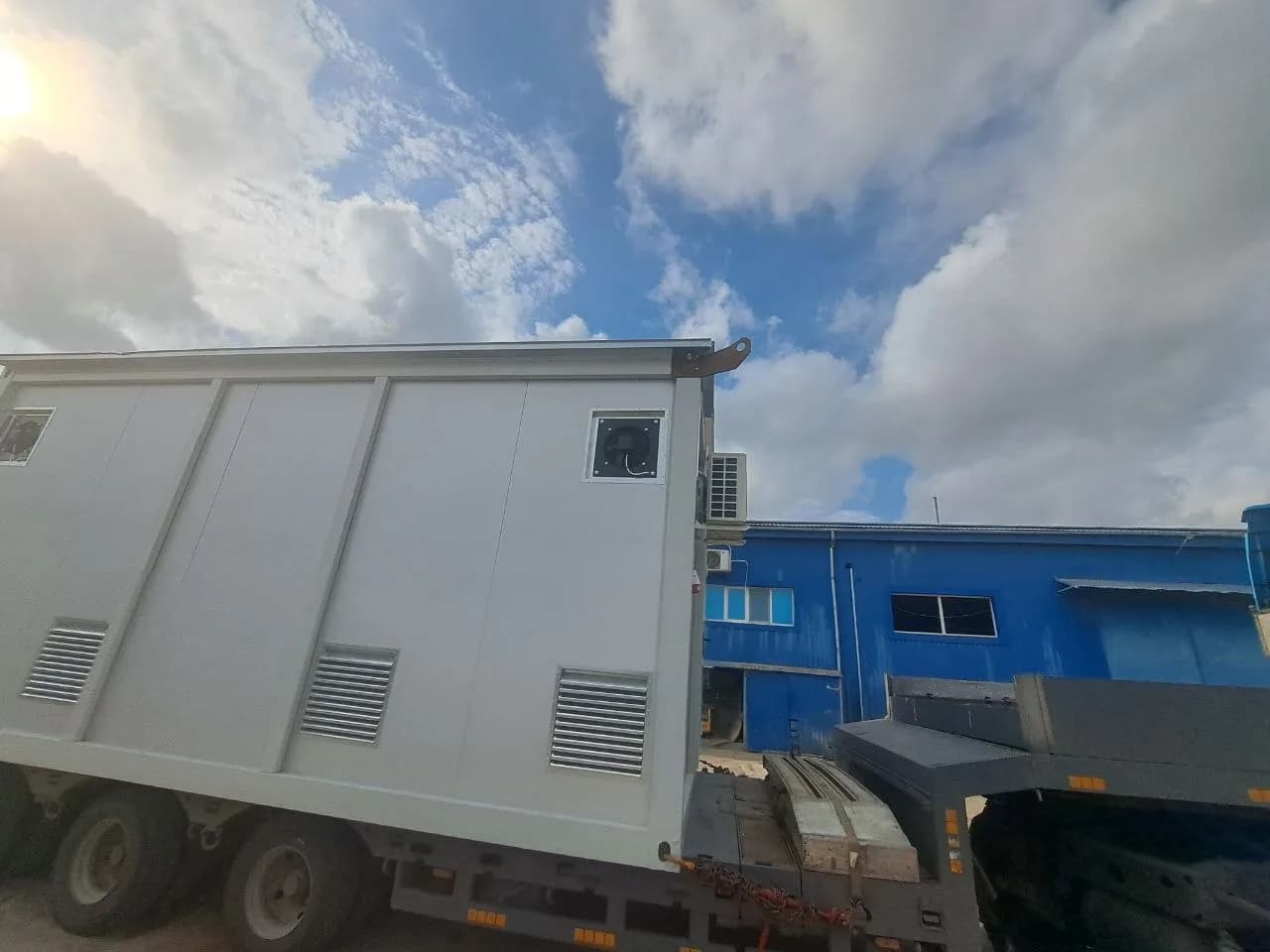
KRPZ 6–35 kV: a turnkey modular switchgear building
What a KRPZ is — a 6–35 kV distribution point in a ready-made modular building: how it differs from KRUN, the design, KSO cubicles, ShchO-90 panels and AVR. Where it is used — from solar plants to substations. Explained by the manufacturer
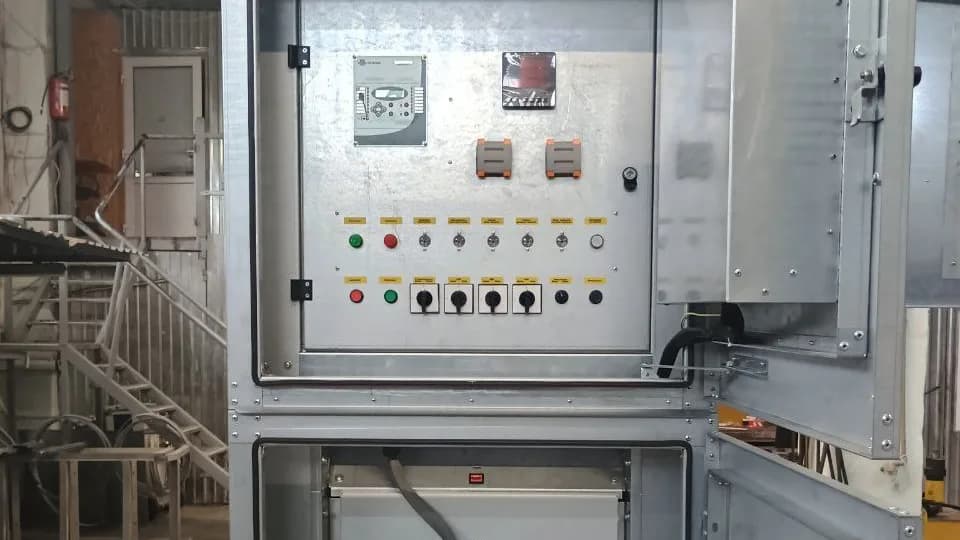
KRUN: outdoor package switchgear
What KRUN is and how it differs from KRU: climatic version U1, an insulated enclosure with heating, vacuum circuit breakers and relay protection. Where it is used — from solar plants to substations. Explained by the manufacturer
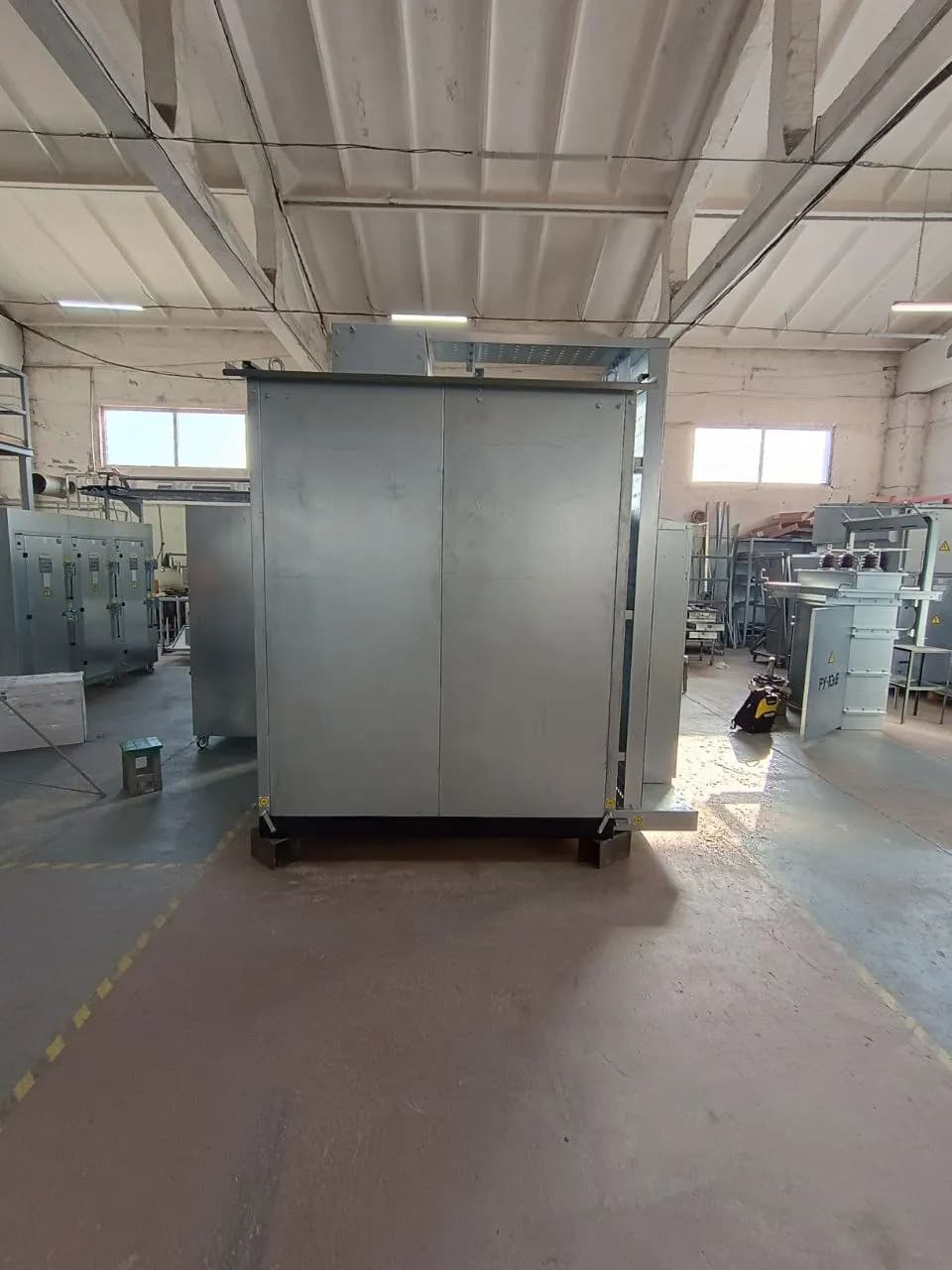
KTP, KTPN, KTPM: which transformer substation to choose
How an indoor KTP differs from an outdoor KTPN, a pole-mounted KTPM and a concrete BKTP: design, capacity, type of incomer — and the three questions that determine the choice of a 10(6)/0.4 kV substation.
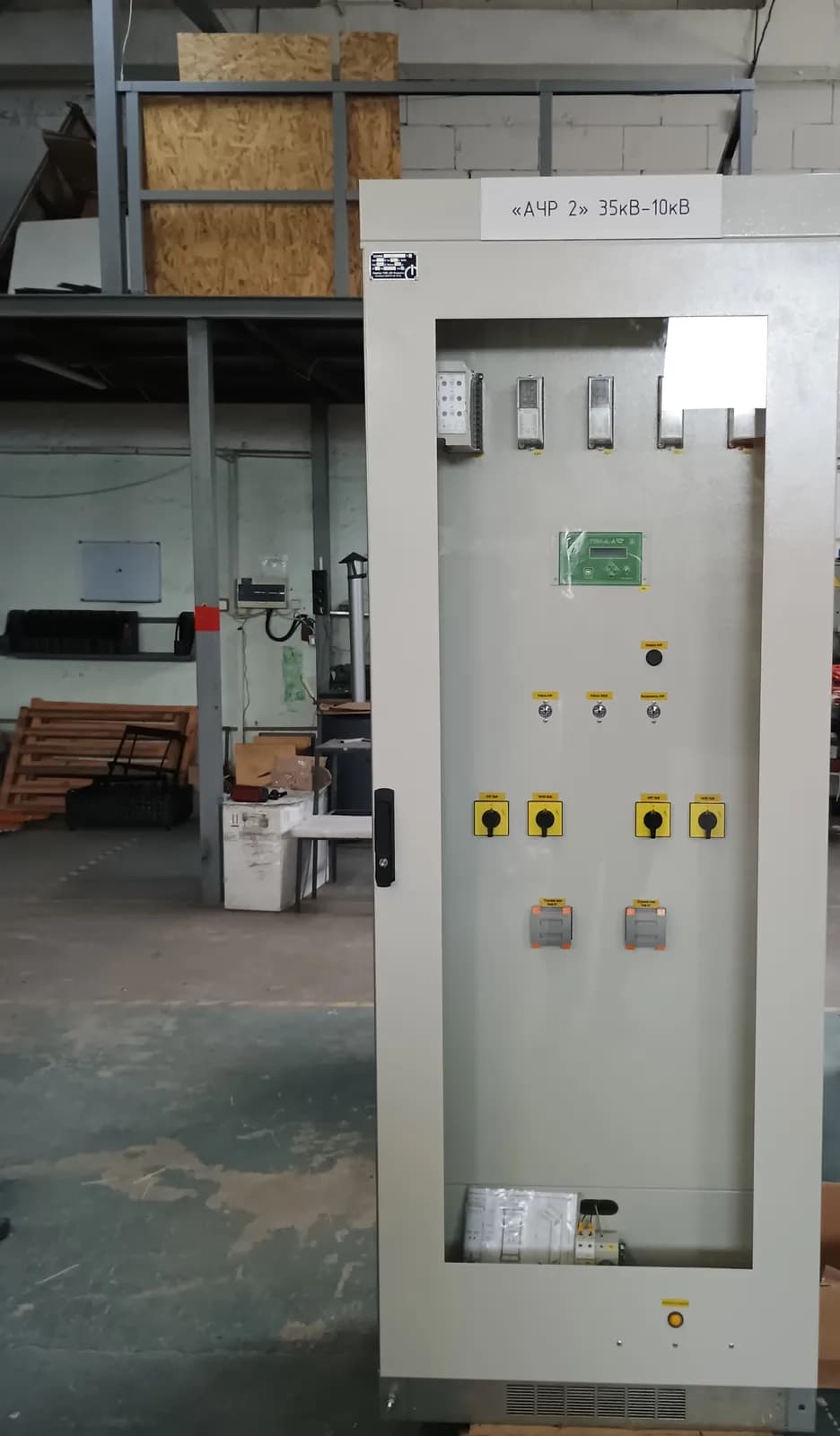
OPU: the substation control building — what it is and what it contains
What an OPU at a substation is: the building where all the secondary circuits come together — relay protection panels, auxiliary supply boards, 220 V operating current, ASKOE and telemechanics. The equipment, the block-modular version and where OPUs are used.
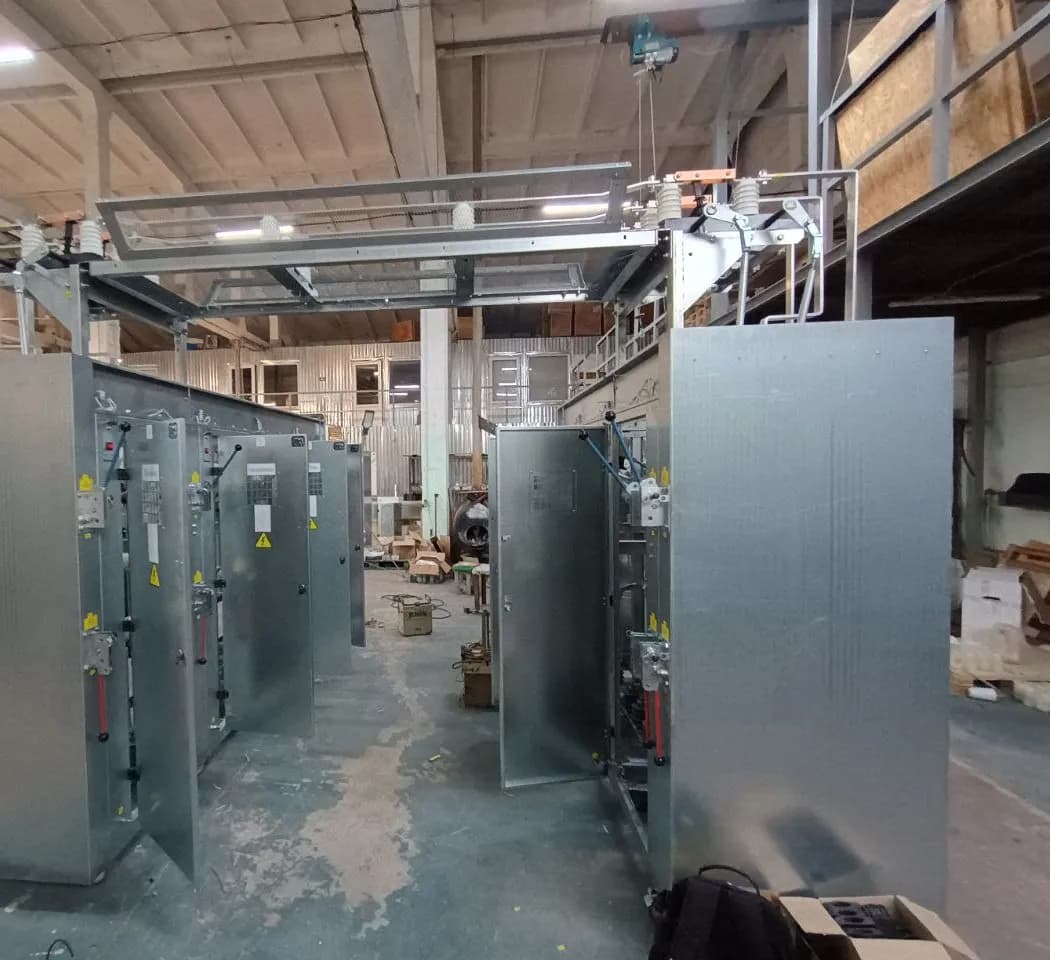
Grid connection project: technical conditions, documents, stages
How to connect a site to the networks of the distribution system operator: the application, the technical conditions, the design of the external and internal power supply, and standard versus non-standard connection under the Distribution System Code. Explained step by step by a practising engineer
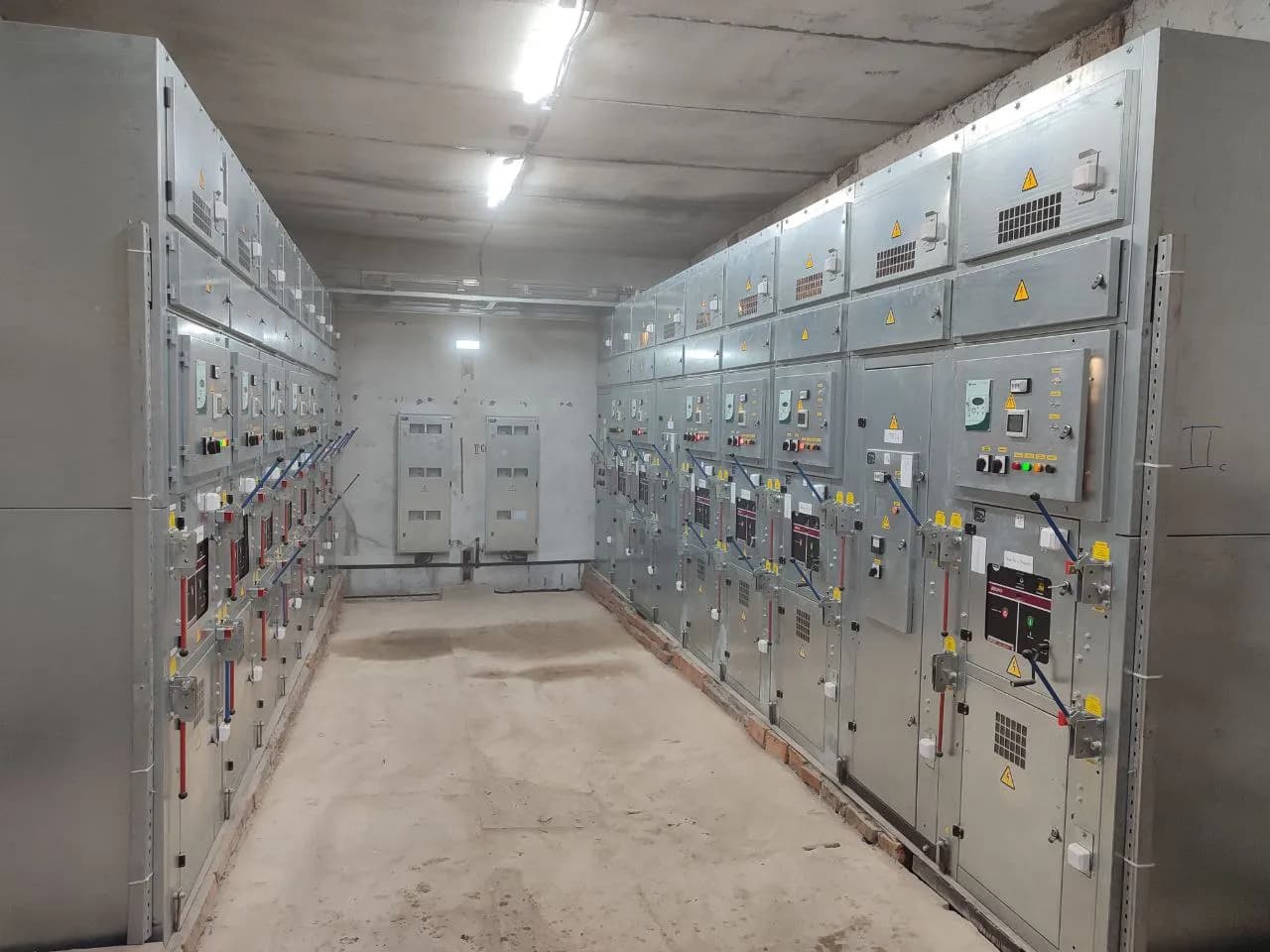
Electrical network design: stages and scope of the project
The P, R and RP stages under DBN A.2.2-3, technical conditions from the distribution system operator, single-line diagrams and load calculations. What a power supply design really includes — explained by a practising engineer
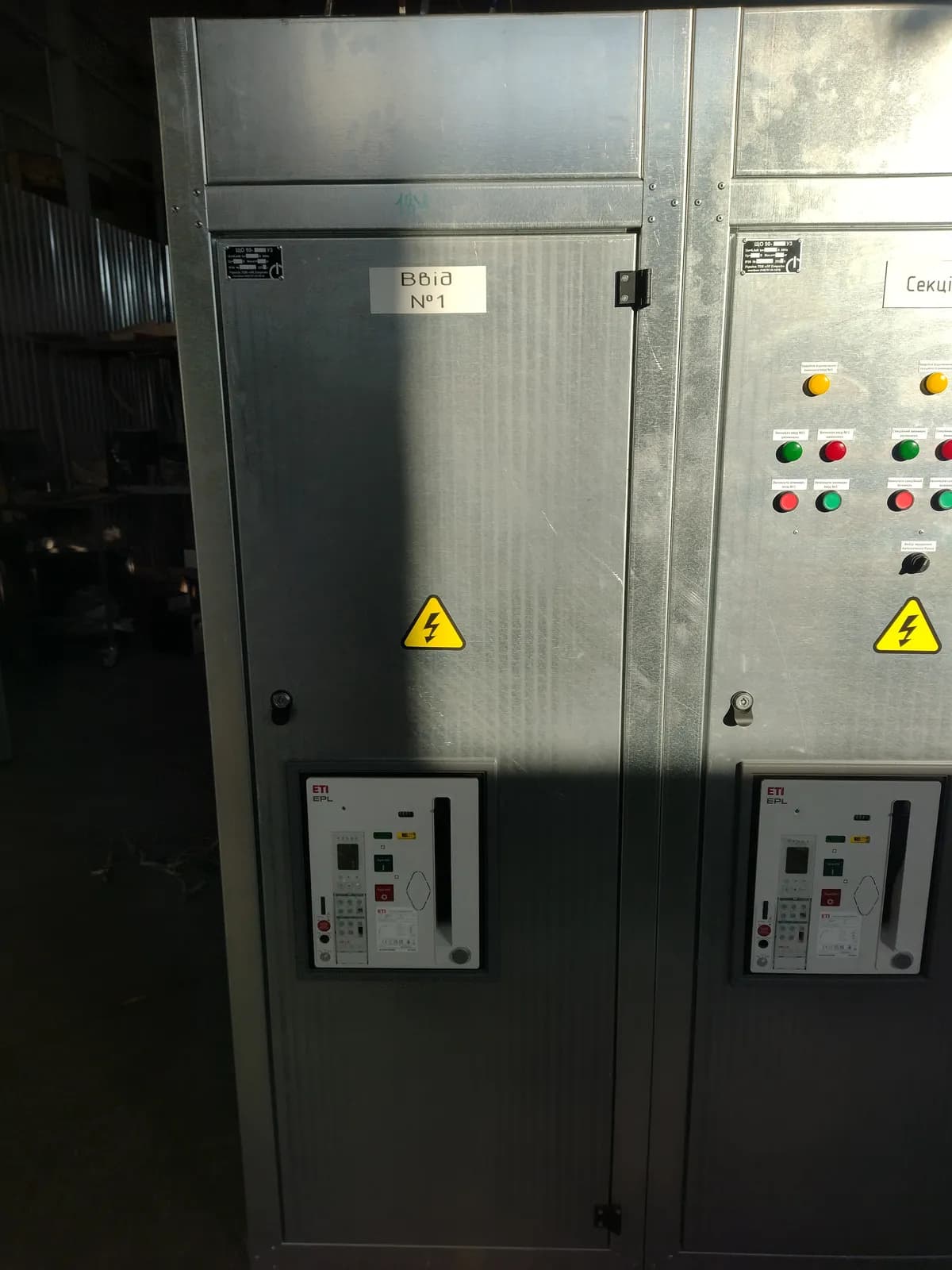
ShchO-90 panels: specifications and applications
ShchO-90 panels are the basic design of 0.4 kV distribution switchboards: what they are, which panel types are available for currents up to 4000 A, what the design consists of and where they are used — in the RUNN of substations, in building VRP units and in main switchboards.
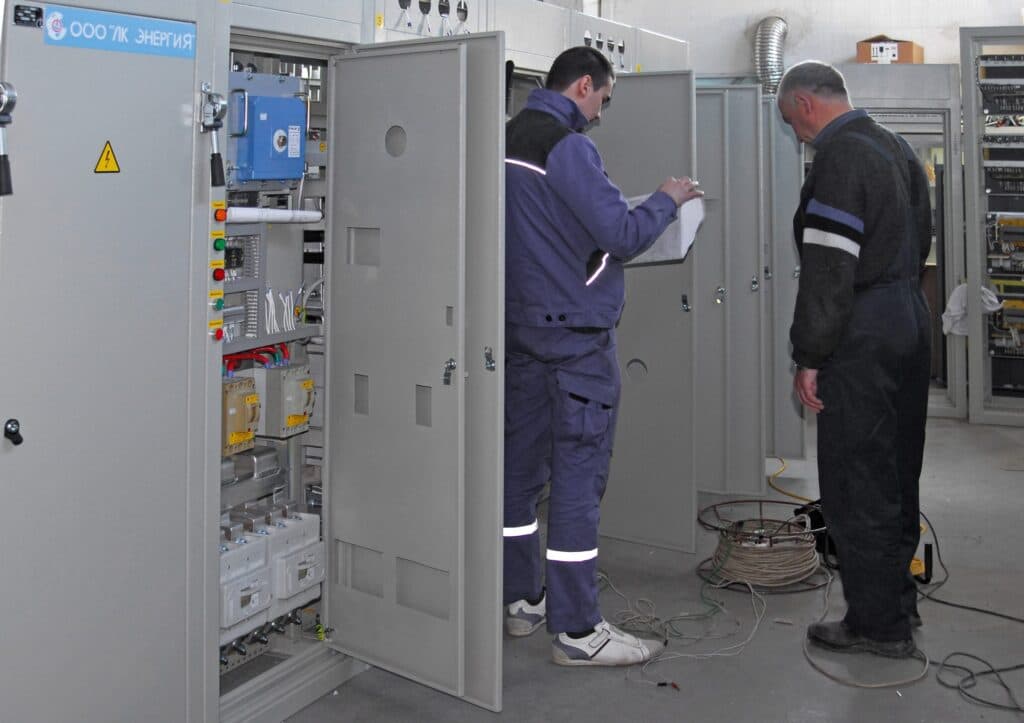
What commissioning (PNR) is: stages and scope of work
Commissioning (PNR) explained in simple terms: the four stages, which tests are included in the scope, who carries them out and which documents the customer receives.
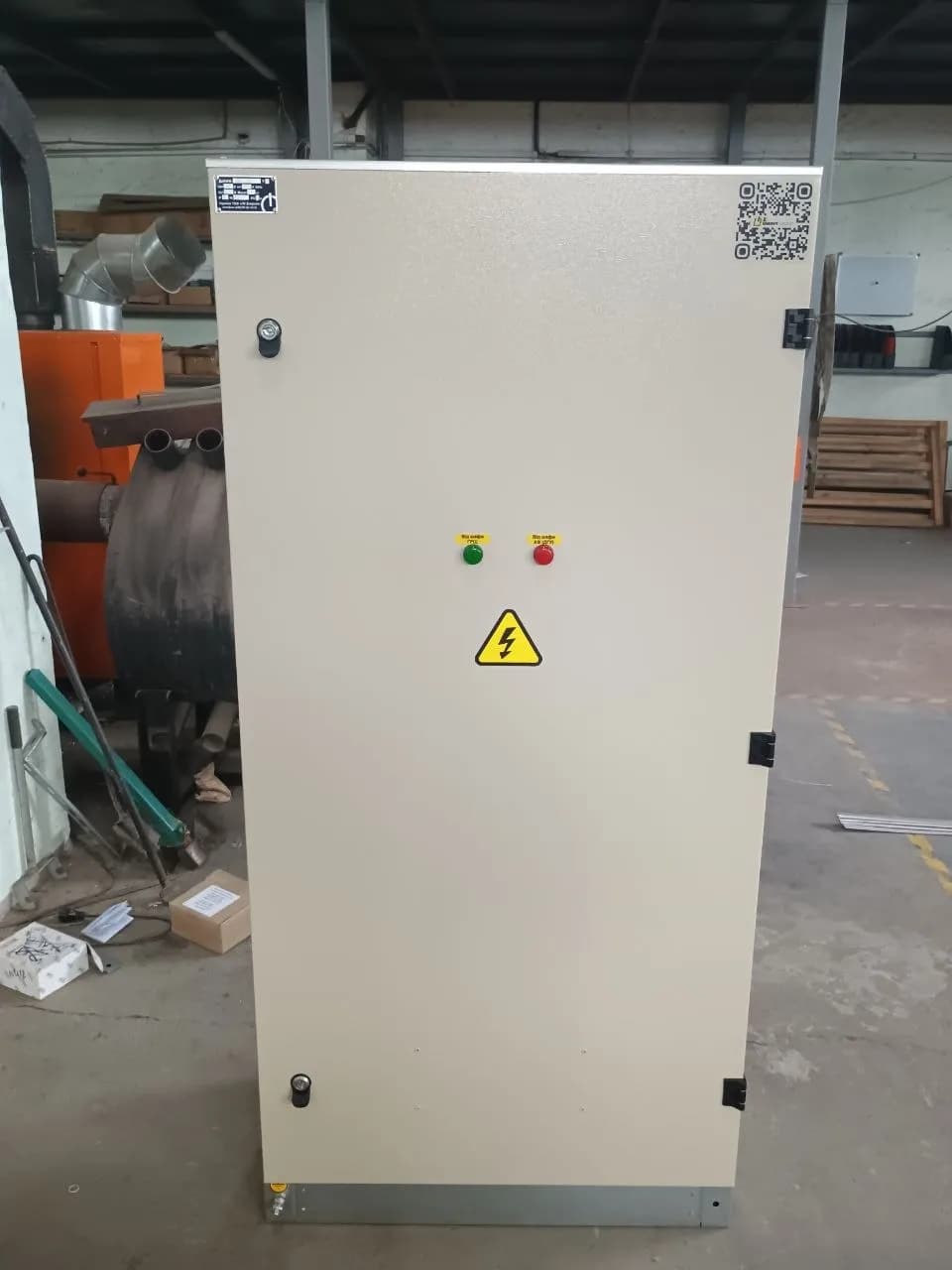
AVR panel (ShAVR): how it works and when it is needed
How automatic transfer to a backup supply works: two incomers, voltage monitoring, time delay and mutual interlocking. When AVR is mandatory under the PUE and what types of AVR cabinets exist — from grid-to-grid schemes to schemes with a diesel generator.
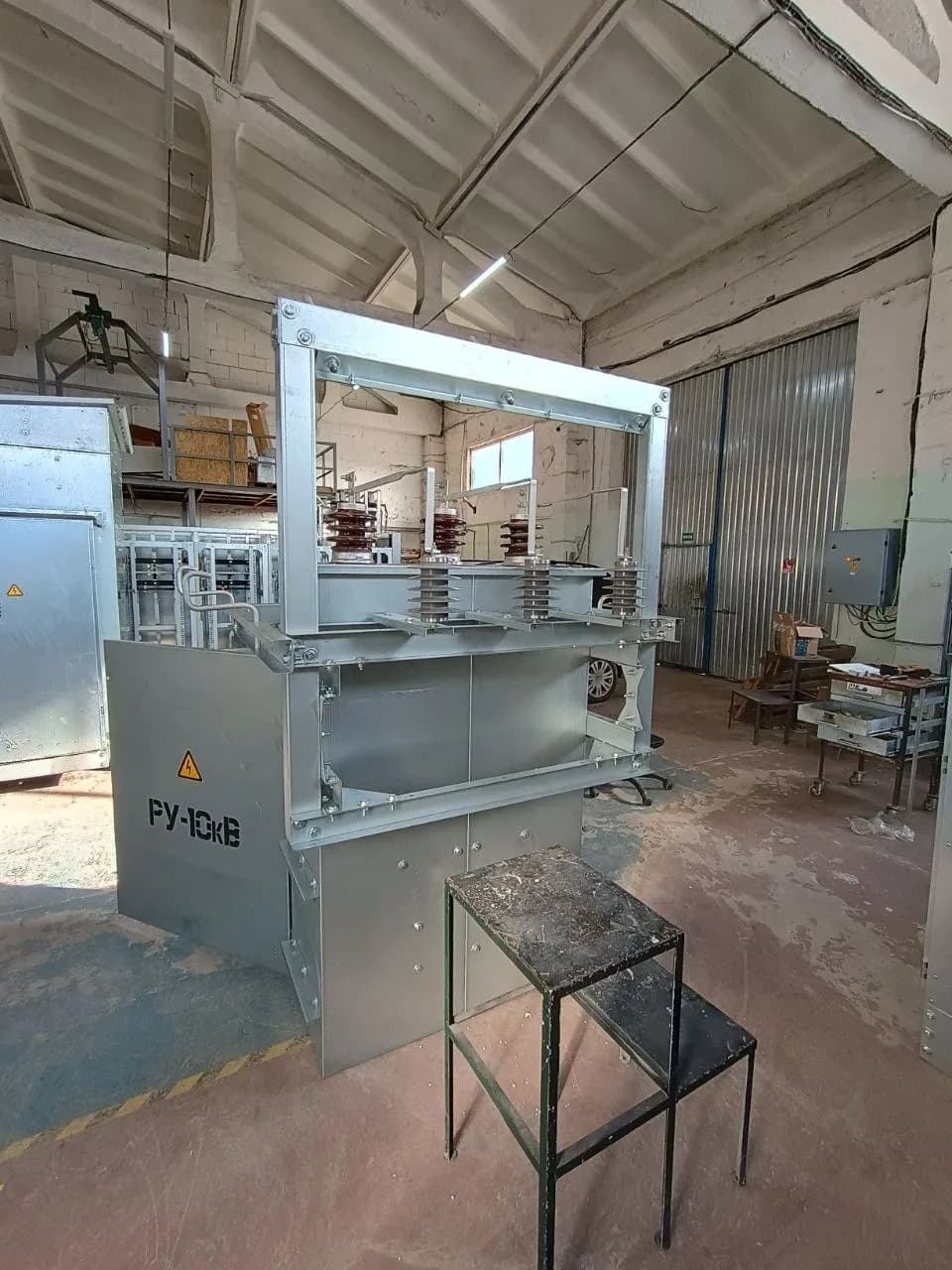
STP or pole-mounted KTP: the difference and when to use each
A single-pole STP and a pole-mounted KTPM are both fed from the same 10(6) kV overhead line and even look alike. The difference lies in the number of poles and the rating: up to ~100 kVA on one pole versus 400 kVA on two. We break down the structure, the scope of supply and the selection criteria.
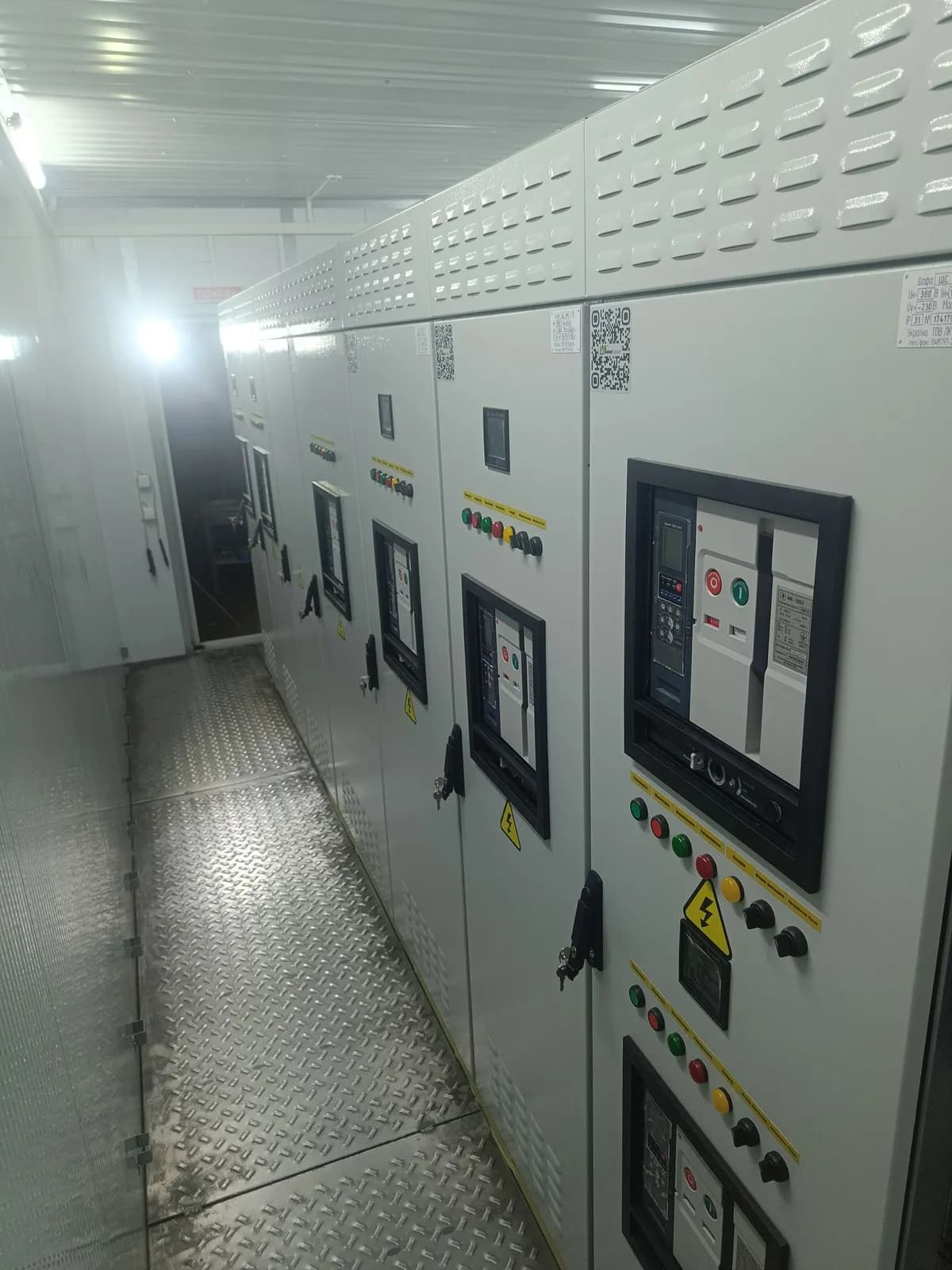
Technical specification for switchboard equipment: a customer checklist
What to state in the technical specification for a switchboard, cubicles or a substation: voltage and currents, short-circuit current, main circuit diagram, protection and metering, IP rating, cable entry and dimensions. A practical checklist from the manufacturer — so you get an accurate price and lead time from your first enquiry.
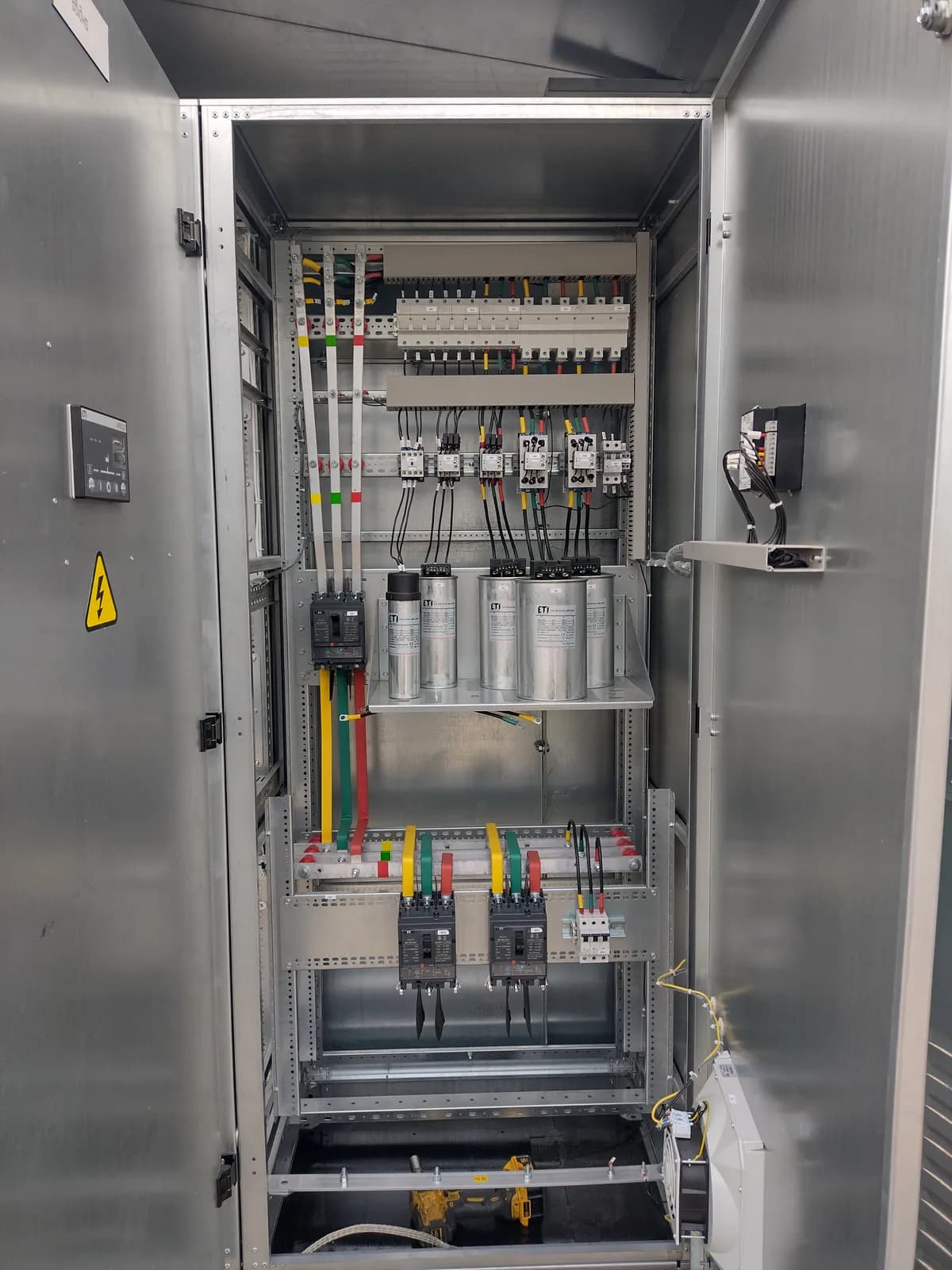
UKM: reactive power compensation — when you need it and how to choose
Why reactive power has to be compensated: cos φ, charges for reactive energy flows, unloading cables and transformers. When a plant needs a UKM, how an automatic unit differs from a fixed one, and when filter reactors are mandatory.
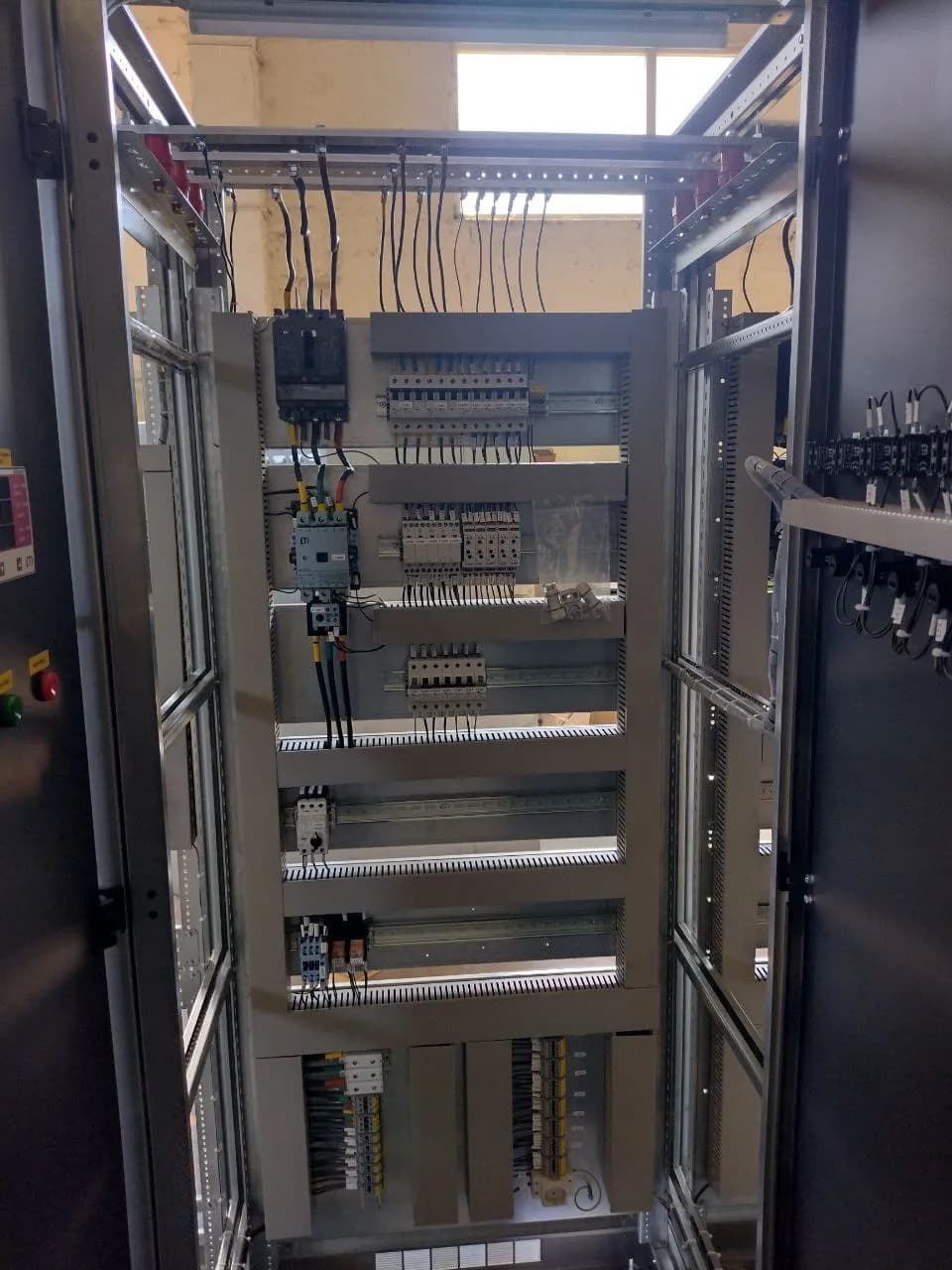
VFD or soft starter for a borehole pump: how to choose
Up to 11 kW — a soft starter; above 11 kW — a VFD. Why that rule, what each device actually does, and why a VFD does not save 30–50% on a borehole.
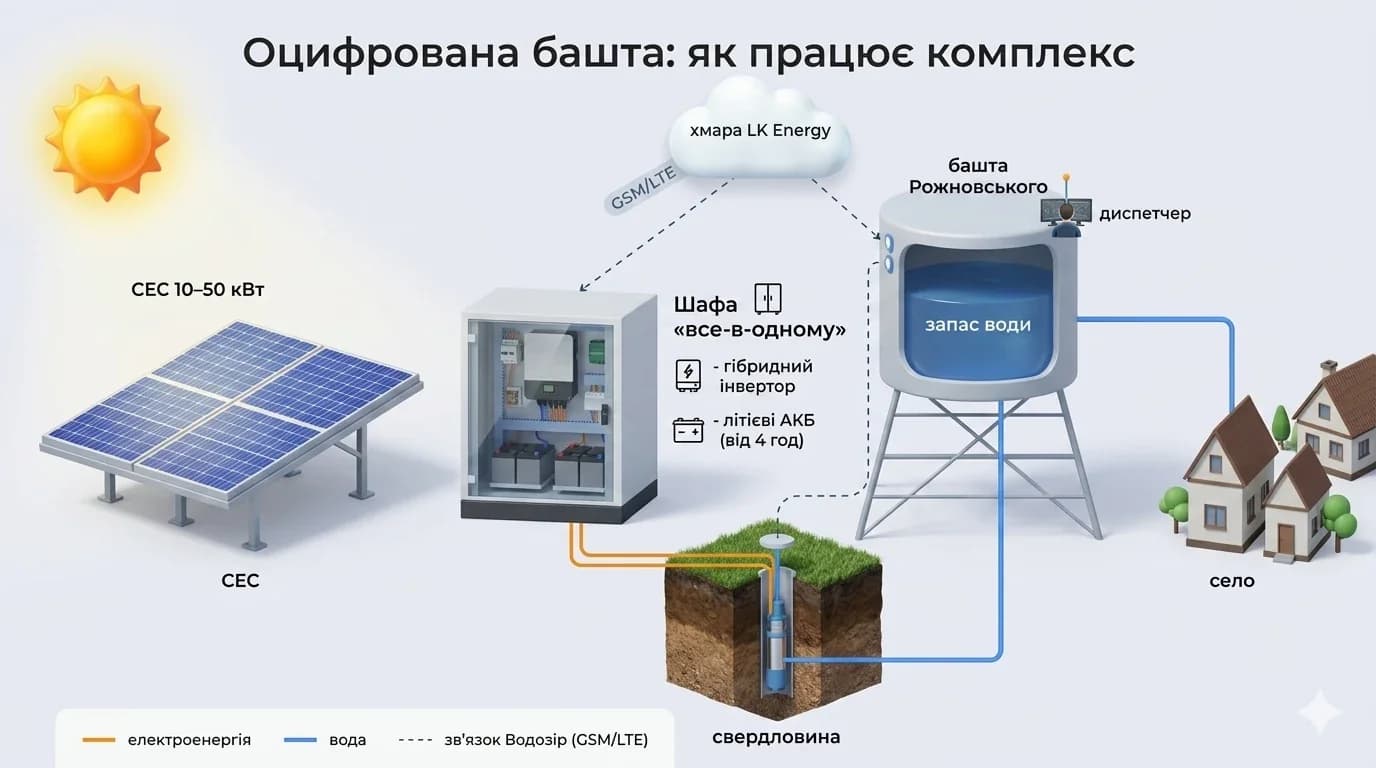
The Rozhnovsky water tower: how much energy it stores and how to digitalise it
A cubic metre of water held up on a tower is energy already spent — and already stored. How much exactly, why the tower works as a free battery for a borehole, and what digitalisation adds.
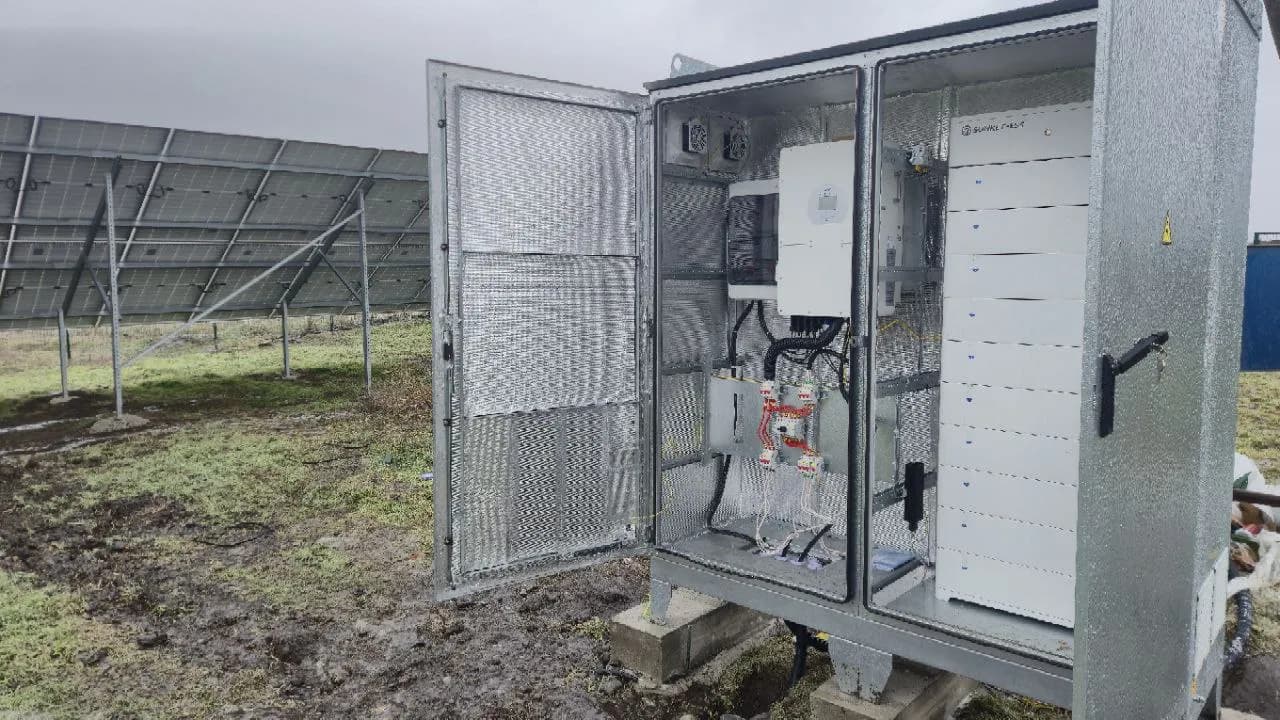
Why an inverter and batteries will not run a pump directly: anatomy of a complete cabinet
Three reasons why "inverter + batteries + pump" does not work wired together: inrush current, frost and the generator. And why the cabinet is a product rather than a box of purchases.
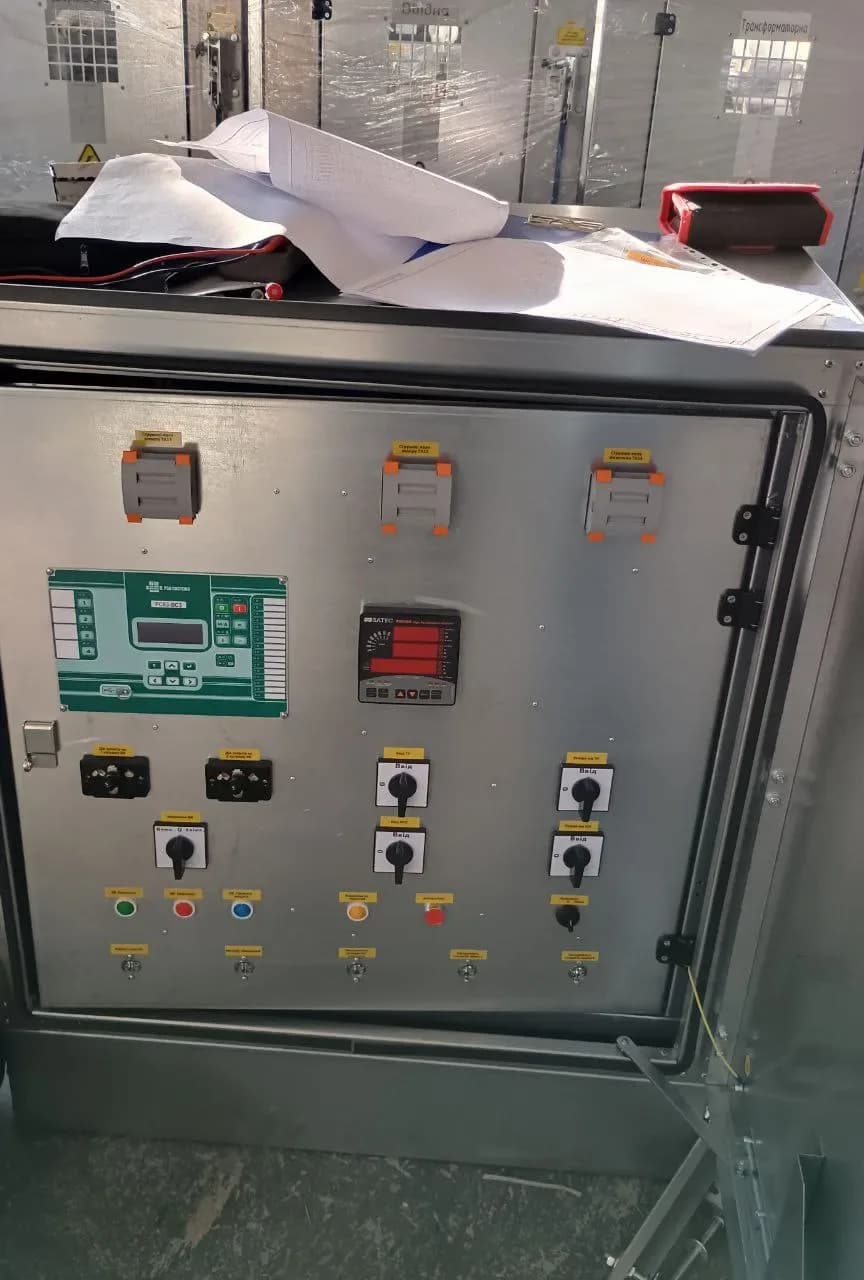
Telemetry, dispatch and SCADA in plain language
Three terms that get used interchangeably, and an honest answer to "do we need SCADA". Explained on two live examples: a street lighting cabinet and a borehole with a water tower.
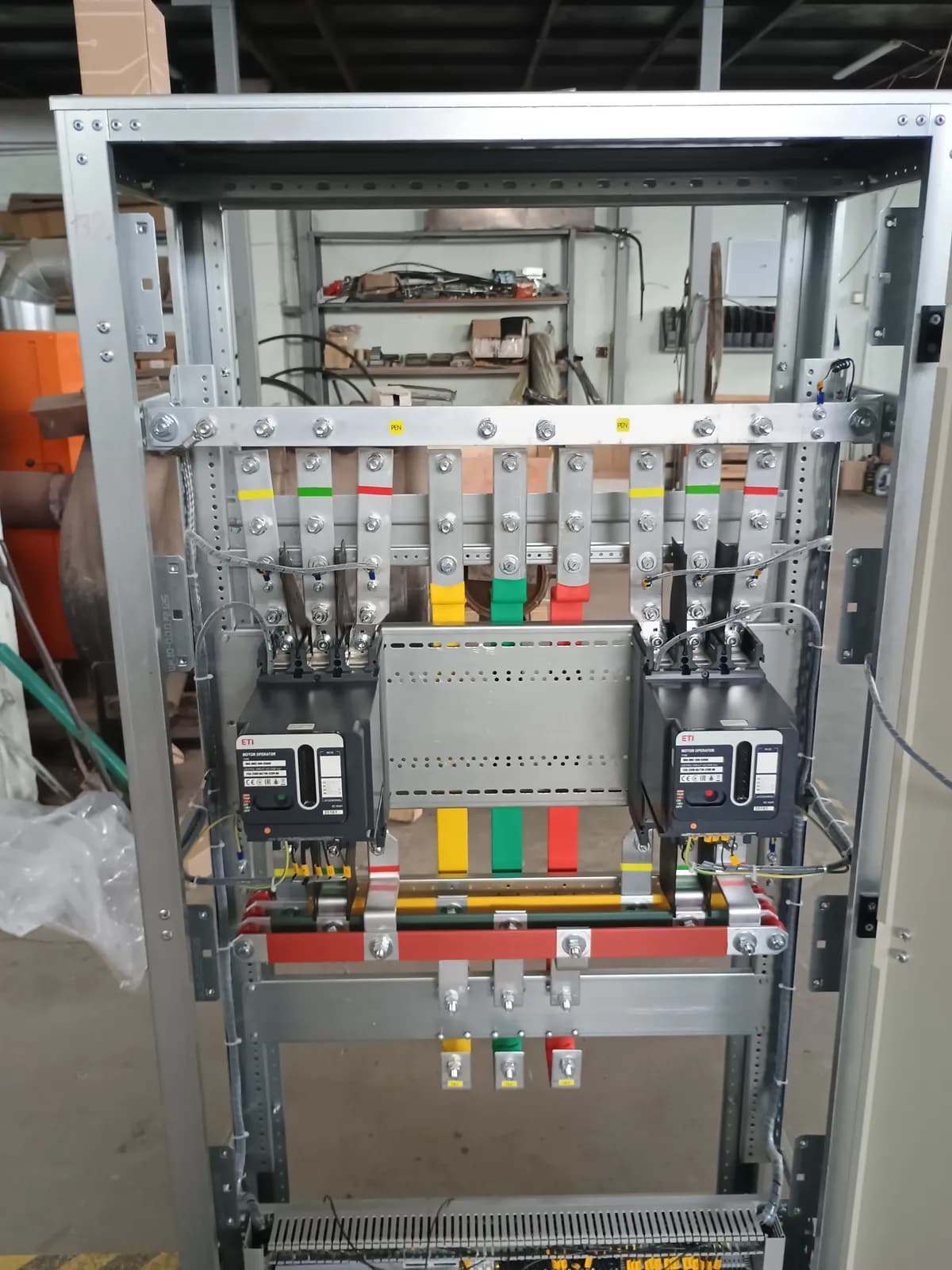
What makes up the price of a custom switchboard
The five components of the price — and why the same board to the same diagram appears with a 30–50% spread. What gets trimmed unseen, and what it costs later.
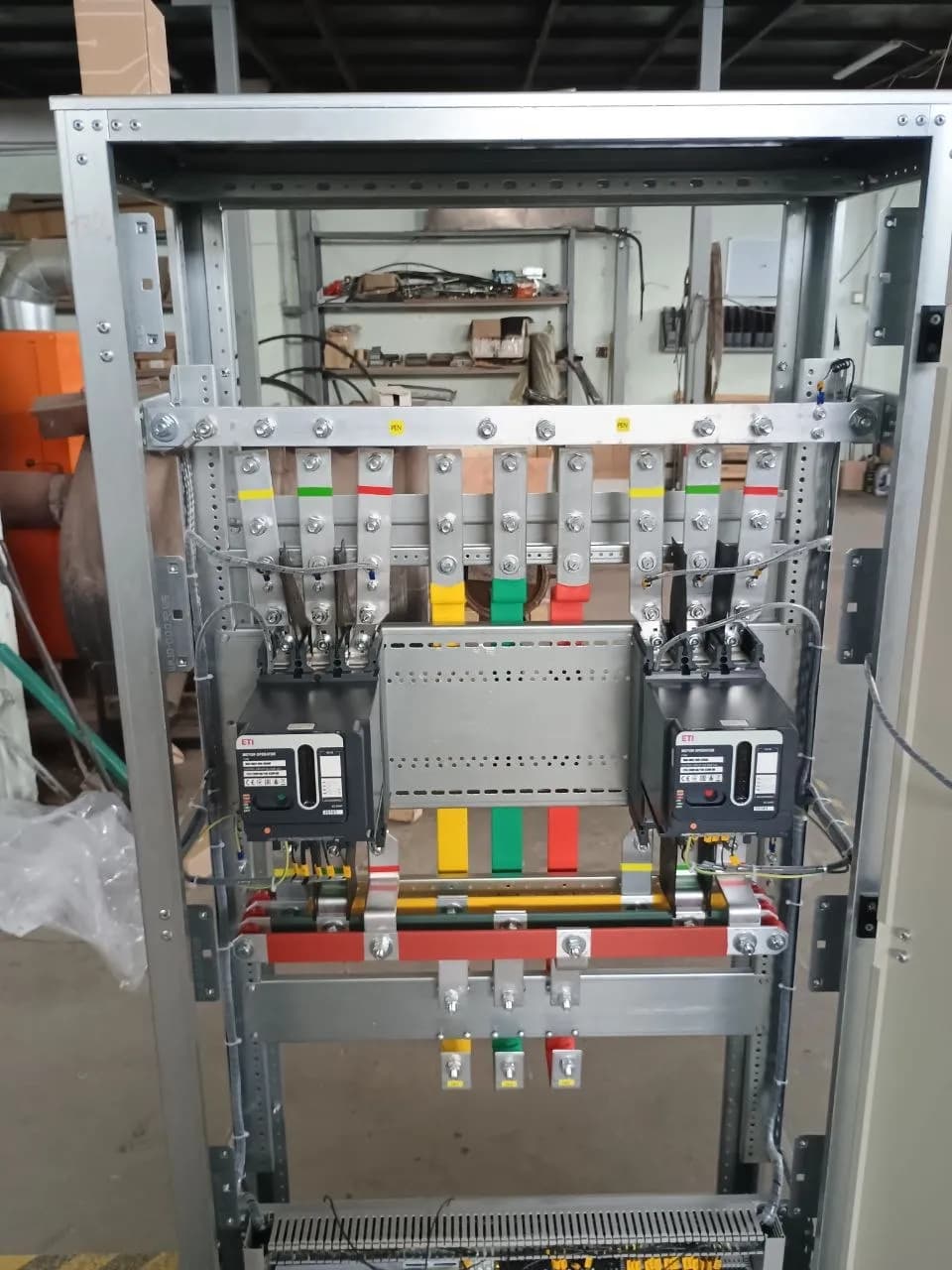
How to choose a switchgear manufacturer: a buyer’s checklist
Factory, assembler or middleman — and above all, what gets cut where you cannot see it. Nine hidden savings, how each surfaces within one to three years, plus a buyer’s checklist.
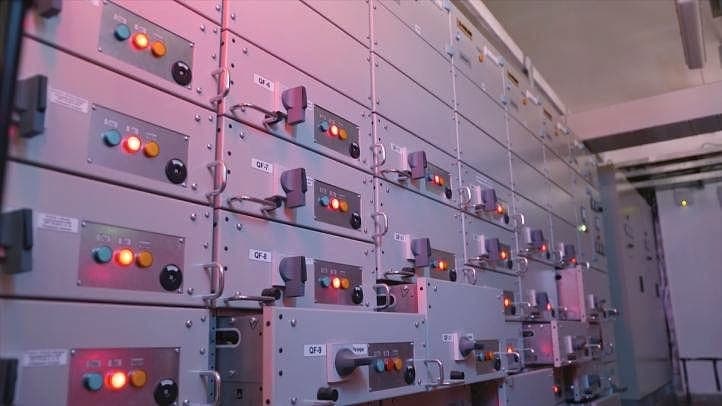
Electrical equipment test requirements before energisation
The same measurement has different limits at different stages. What is tested before energisation, what comes later and who is allowed to do it.
Earthing under the Ukrainian electrical code (PUE): limits, measurements, intervals
PUE says what the values must be; PTEES says how often to confirm them. Both sides explained, with clause references and interval tables.
Cable laying under the PUE code: methods, cross-sections, testing
What determines the laying method and cross-section, what is tested before energisation and how often the line is tested afterwards.
PTEES: key operating requirements for electrical installations
The code installations are operated by. The responsible person, documentation, knowledge checks and testing — with clause references you can verify.
Selecting a circuit breaker: rating, Icu, selectivity
The costliest mistake in a switchboard costs nothing until a short circuit. Breaker selection per the code — with the conditions under which an exception is allowed.
PUE:2026 — what it is, what changed and how to use it
The code electrical installations are designed and built to — not operated by. What changed in the 2026 edition, who it affects and why existing installations need no rework.
Requirements for transformer substations (KTP) under the code
Two outwardly identical substations can differ inside. What the code prescribes, what is invisible at acceptance and how it surfaces a year or three later.
Climatic ratings U1 and UHL: what these letters mean
Letters from the nameplate everyone has seen and few explain. What they mean, why the standard is defunct while the designations remain, and how to choose a rating.
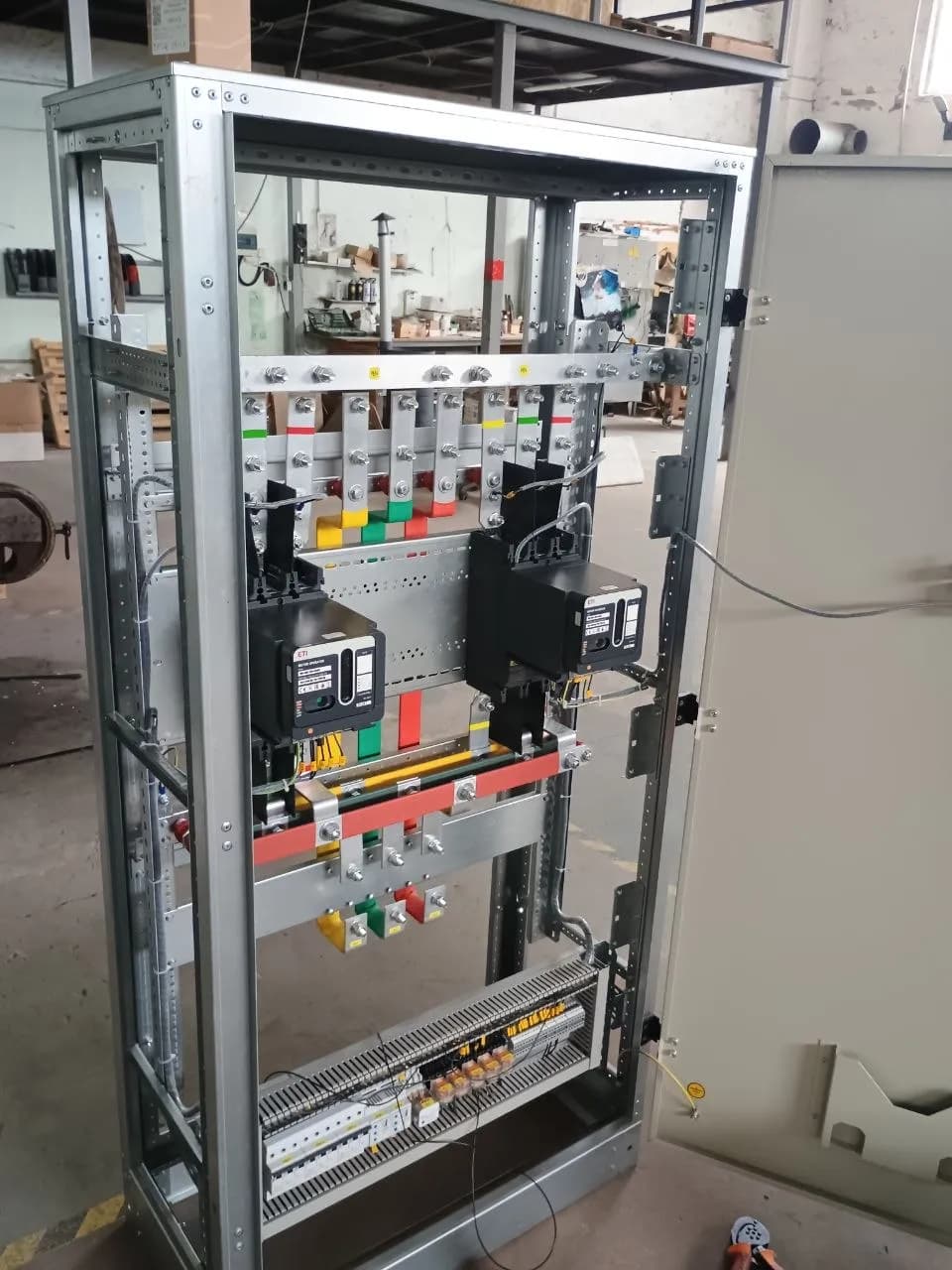
AVR and the generator: what a genset needs for an automatic start
An AVR panel needs three things from a genset: auto-start controller, dry contacts, starter battery. Why a household generator cannot be automated.
Net billing for business: how Ukraine's self-production mechanism works in 2026
Selling the surplus under an annex to the supply contract, hourly netting of value, capacity thresholds and export limits — with references to the acts in force.
Free checklist · PDF
How to choose an industrial solar contractor: an 8-point checklist
A practical checklist for owners and managers: what to look at, which questions to ask and where the risks hide when you build a solar plant from 30 kW to several MW.
- 8 criteria for choosing a contractor — with “why it matters” notes and red flags;
- questions worth asking before signing the contract;
- how to tell a design “for your load profile” from one “for your roof area”;
- what to check about grid connection, warranty and service.
Enter your work email — the download link will open right away. No spam.
Need an engineer's consultation?
If you have a task related to power supply, switchgear equipment or SPP — write to us, and we'll answer to the point.
+380 67 104 94 91